

Meaning and Origin of Hajj in Islam
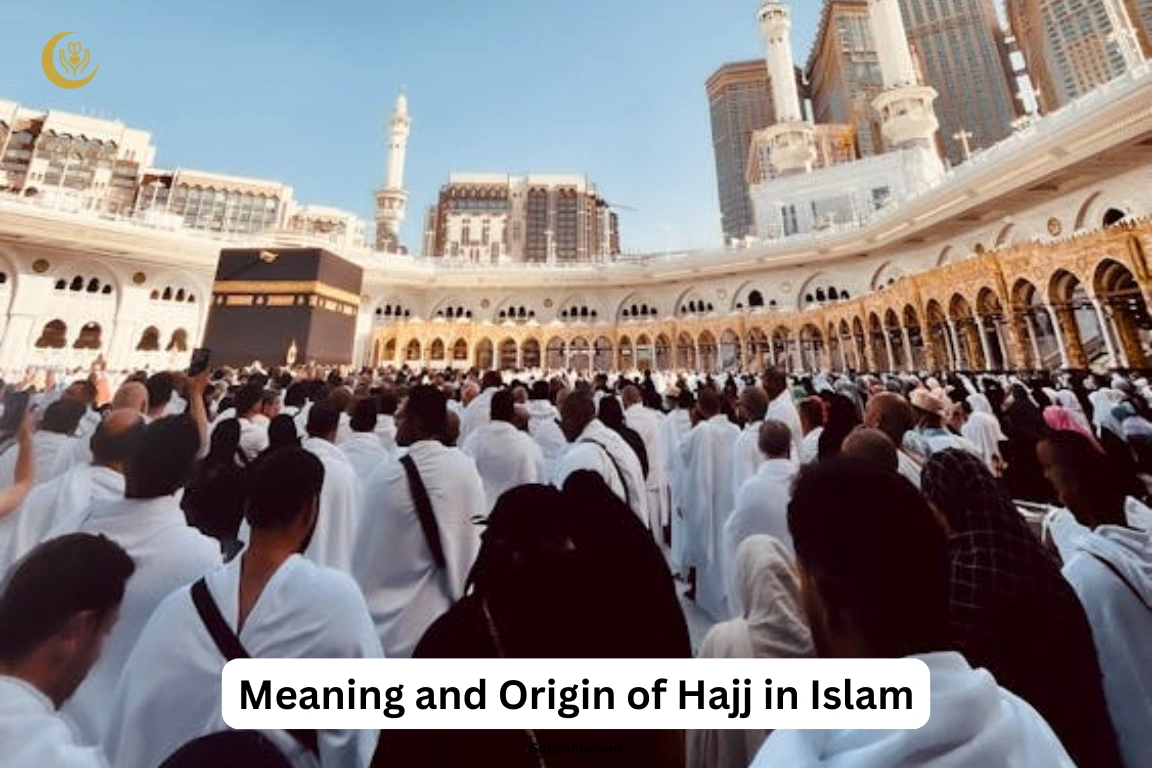 The word Hajj (حجّ) comes from the Arabic root ḥajja, meaning “to intend” or “to set out with purpose.” In Islam, it refers to the sacred pilgrimage to Makkah al-Mukarramah, performed in the month of Dhul-Hijjah as an act of sincere devotion to Allah ﷻ. Its story begins with Prophet Ibrahim (عليه السلام), who, by Allah’s command, built the Kaaba with his son Ismaʿil (عليه السلام) and invited all people to visit this House in worship — a call remembered in the Qur’an: “And proclaim to the people the Hajj…” (Surah Al-Ḥajj 22:27).
The rituals of Hajj honor the deep faith of Ibrahim, Ismaʿil, and Hajar (عليها السلام) — from Hajar’s determined search between Ṣafā and Marwah, to Ibrahim’s readiness to sacrifice in submission to Allah’s will. Centuries later, Prophet Muhammad ﷺ revived and completed these rites, removing pre-Islamic customs and setting the final prophetic model of pilgrimage.
Today, Hajj stands as a journey of purification and unity, connecting every believer to the legacy of the Prophets and renewing the bond between the heart and the Creator.
The word Hajj (حجّ) comes from the Arabic root ḥajja, meaning “to intend” or “to set out with purpose.” In Islam, it refers to the sacred pilgrimage to Makkah al-Mukarramah, performed in the month of Dhul-Hijjah as an act of sincere devotion to Allah ﷻ. Its story begins with Prophet Ibrahim (عليه السلام), who, by Allah’s command, built the Kaaba with his son Ismaʿil (عليه السلام) and invited all people to visit this House in worship — a call remembered in the Qur’an: “And proclaim to the people the Hajj…” (Surah Al-Ḥajj 22:27).
The rituals of Hajj honor the deep faith of Ibrahim, Ismaʿil, and Hajar (عليها السلام) — from Hajar’s determined search between Ṣafā and Marwah, to Ibrahim’s readiness to sacrifice in submission to Allah’s will. Centuries later, Prophet Muhammad ﷺ revived and completed these rites, removing pre-Islamic customs and setting the final prophetic model of pilgrimage.
Today, Hajj stands as a journey of purification and unity, connecting every believer to the legacy of the Prophets and renewing the bond between the heart and the Creator.
The Purpose and Spiritual Significance of Hajj
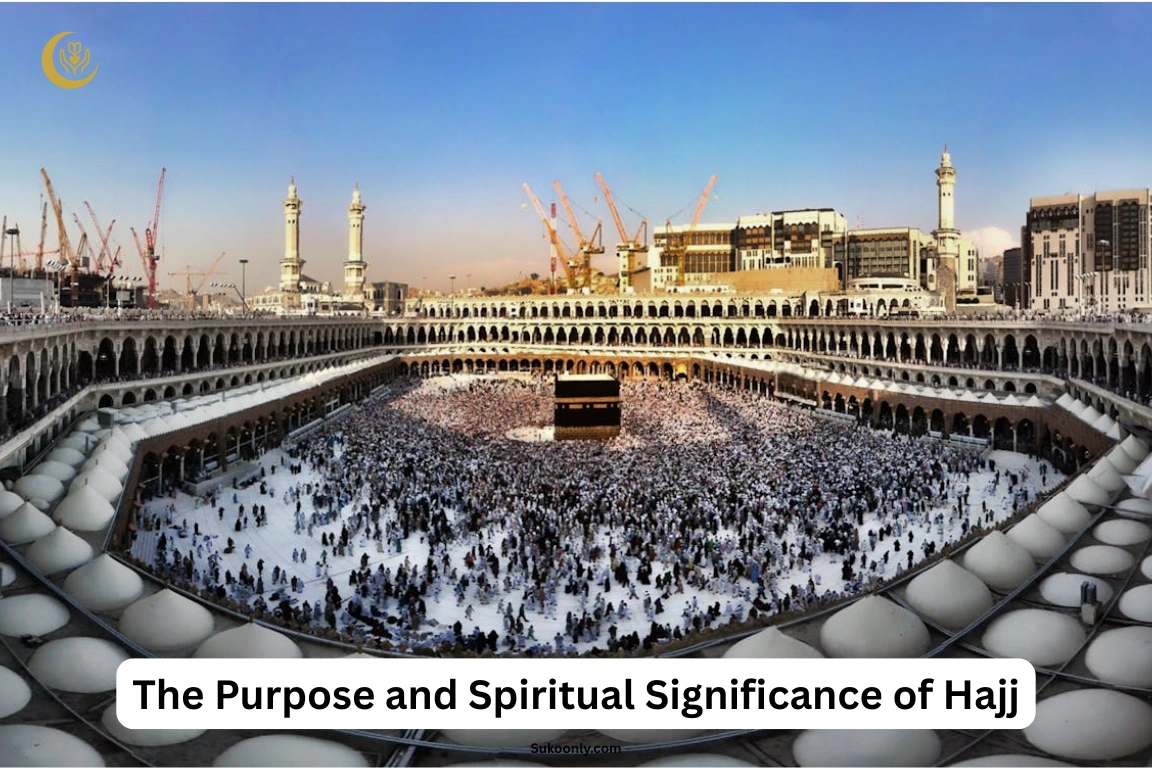 Hajj is a journey of worship that purifies the nafs and strengthens the believer’s connection with Allah ﷻ. Its purpose is to live the message of tawḥīd — the belief that there is no god but Allah — through humility, equality, and complete surrender. Pilgrims leave behind wealth and comfort, wearing the simple iḥrām, which reminds them of purity, mortality, and their return to Allah.
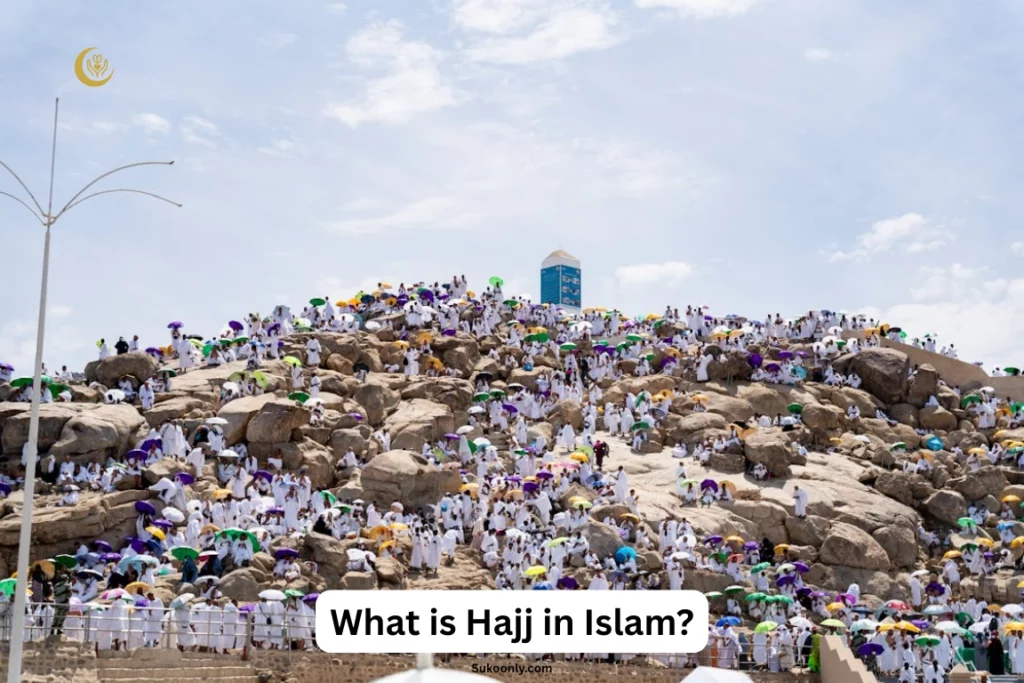
The gathering at ʿArafāt is the heart of Hajj. It reflects Yawm al-Qiyāmah (the Day of Judgment), when every soul will stand before Allah seeking maghfirah (forgiveness) and raḥmah (mercy). Each act — ṭawāf, saʿy, stoning the jamarāt, and qurbānī — teaches patience, obedience, and sacrifice. These moments cleanse the heart from pride and renew faith with every step taken for the sake of Allah.
Through this sacred journey, the pilgrim experiences spiritual rebirth — detaching from the dunyā and drawing closer to Allah with a heart made humble and a soul made pure. Hajj becomes not only a pillar of Islam but a mirror of the believer’s inner transformation.
Hajj is a journey of worship that purifies the nafs and strengthens the believer’s connection with Allah ﷻ. Its purpose is to live the message of tawḥīd — the belief that there is no god but Allah — through humility, equality, and complete surrender. Pilgrims leave behind wealth and comfort, wearing the simple iḥrām, which reminds them of purity, mortality, and their return to Allah.
The gathering at ʿArafāt is the heart of Hajj. It reflects Yawm al-Qiyāmah (the Day of Judgment), when every soul will stand before Allah seeking maghfirah (forgiveness) and raḥmah (mercy). Each act — ṭawāf, saʿy, stoning the jamarāt, and qurbānī — teaches patience, obedience, and sacrifice. These moments cleanse the heart from pride and renew faith with every step taken for the sake of Allah.
Through this sacred journey, the pilgrim experiences spiritual rebirth — detaching from the dunyā and drawing closer to Allah with a heart made humble and a soul made pure. Hajj becomes not only a pillar of Islam but a mirror of the believer’s inner transformation.
The Five Main Rituals of Hajj
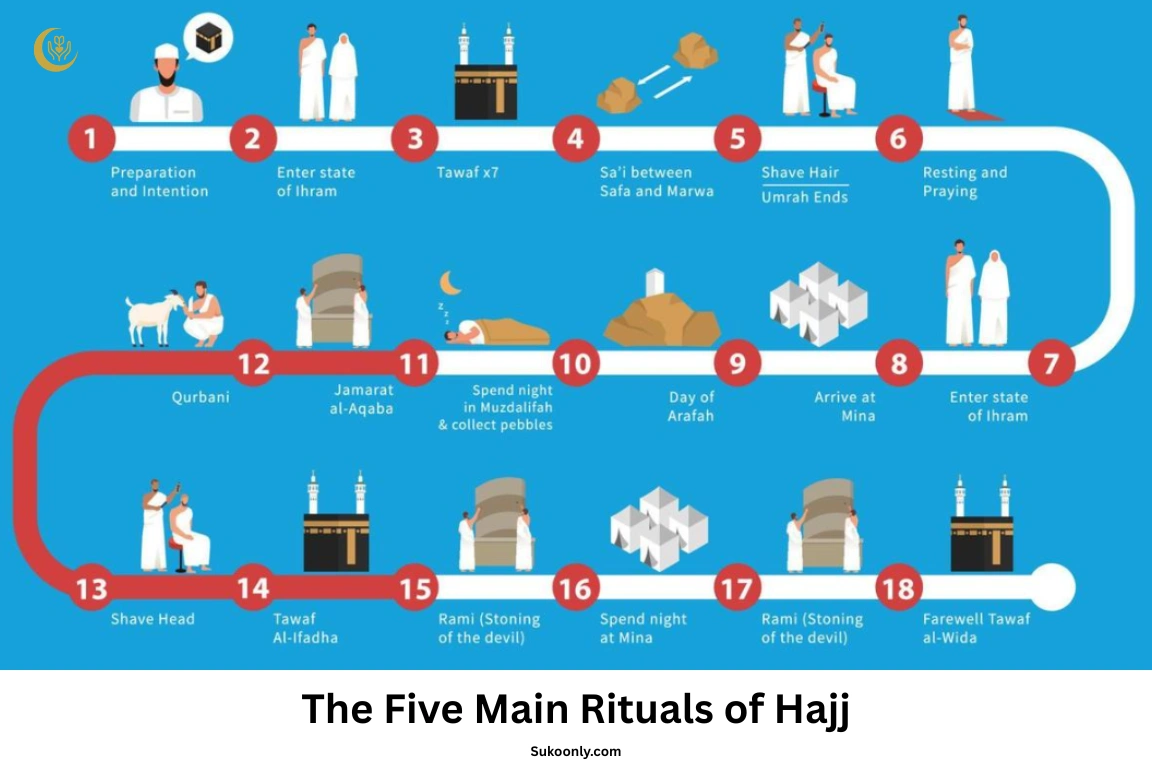
Hajj is made up of five sacred rites, each filled with meaning and devotion to Allah ﷻ. These acts, performed during Dhul-Hijjah, follow the footsteps of Prophet Ibrahim (عليه السلام), Hajar (عليها السلام), and Prophet Muhammad ﷺ, whose lives reflect obedience and trust in the Creator.
- Iḥrām – the state of purity that marks the beginning of Hajj. Pilgrims remove worldly distinctions and declare their intention (niyyah) by reciting the talbiyah: “Labbayka Allāhumma labbayk” — “Here I am, O Allah, here I am.” It is a moment of humility and readiness to serve Allah.
- Ṭawāf – circling the Kaaba seven times in worship, expressing love and reverence for the House built by Ibrahim and Ismaʿil (عليهما السلام). Each round reflects the believer’s longing to stay close to the center of tawḥīd, the Oneness of Allah.
- Saʿy – walking between Ṣafā and Marwah, reviving the story of Hajar (عليها السلام) and her desperate search for water. It reminds every believer that Allah’s help comes to those who strive with faith and tawakkul (trust in Him).
- ʿArafāt – standing on the vast plain where Prophet Muhammad ﷺ gave his Farewell Sermon, teaching unity, equality, and mercy. This is the heart of Hajj — a day that mirrors Yawm al-Qiyāmah (the Day of Judgment), when every soul stands before Allah seeking forgiveness.
- Qurbānī and Ṭawāf al-Ifāḍah – offering sacrifice in remembrance of Ibrahim’s devotion and completing ṭawāf in gratitude and purification.
Together, these rites awaken dhikr (remembrance), nurture sabr (patience), and inspire shukr (gratitude). Through them, Hajj becomes a living act of worship — one that unites the Ummah, renews the believer’s heart, and deepens the soul’s connection with Allah.
When and Where Hajj Takes Place?
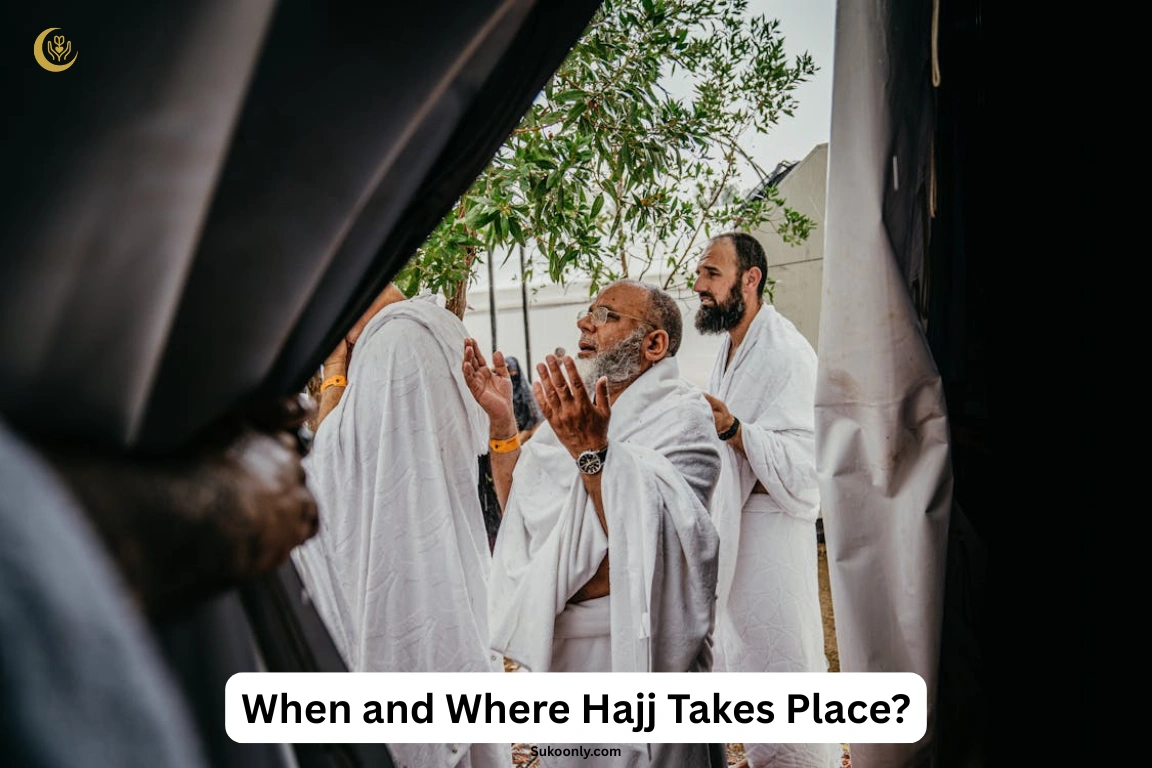
Hajj takes place every year during the sacred month of Dhul-Hijjah, the twelfth and final month of the Hijri calendar. It is one of the four Ashhur al-Ḥurum — months honored by Allah ﷻ as times of peace, reflection, and multiplied reward. The main days of Hajj are from the 8th to the 13th of Dhul-Hijjah, following the sequence practiced by Prophet Muhammad ﷺ in his Farewell Pilgrimage (Ḥajj al-Wadāʿ).
During these days, millions of believers gather in Makkah al-Mukarramah and its sacred surroundings — Masjid al-Ḥarām, Mina, ʿArafāt, and Muzdalifah. Each place tells a story of faith, sacrifice, and mercy:
- Masjid al-Ḥarām — the heart of tawḥīd, where the Kaaba stands as the first House of Allah, built by Prophet Ibrahim (عليه السلام) and Ismaʿil (عليه السلام).
- Mina — a valley of obedience and surrender, where pilgrims stay in remembrance and perform the stoning of the jamarāt, reminding them to resist temptation and follow Allah’s command.
- ʿArafāt — a vast plain of forgiveness and unity, where hearts soften in duʿā, reflecting on Yawm al-Qiyāmah (the Day of Judgment) and seeking maghfirah (forgiveness) and raḥmah (mercy).
- Muzdalifah — a quiet field beneath the open sky, where pilgrims gather pebbles, rest, and remember Allah in humility before the dawn.
Each of these sacred stations marks a step on the pilgrim’s inner journey — from striving to surrender, from repentance to peace. In the geography of Hajj lies a reminder that true nearness to Allah ﷻ is not measured by miles, but by sincerity and a heart purified through worship.
Who is Obligated to Perform Hajj?
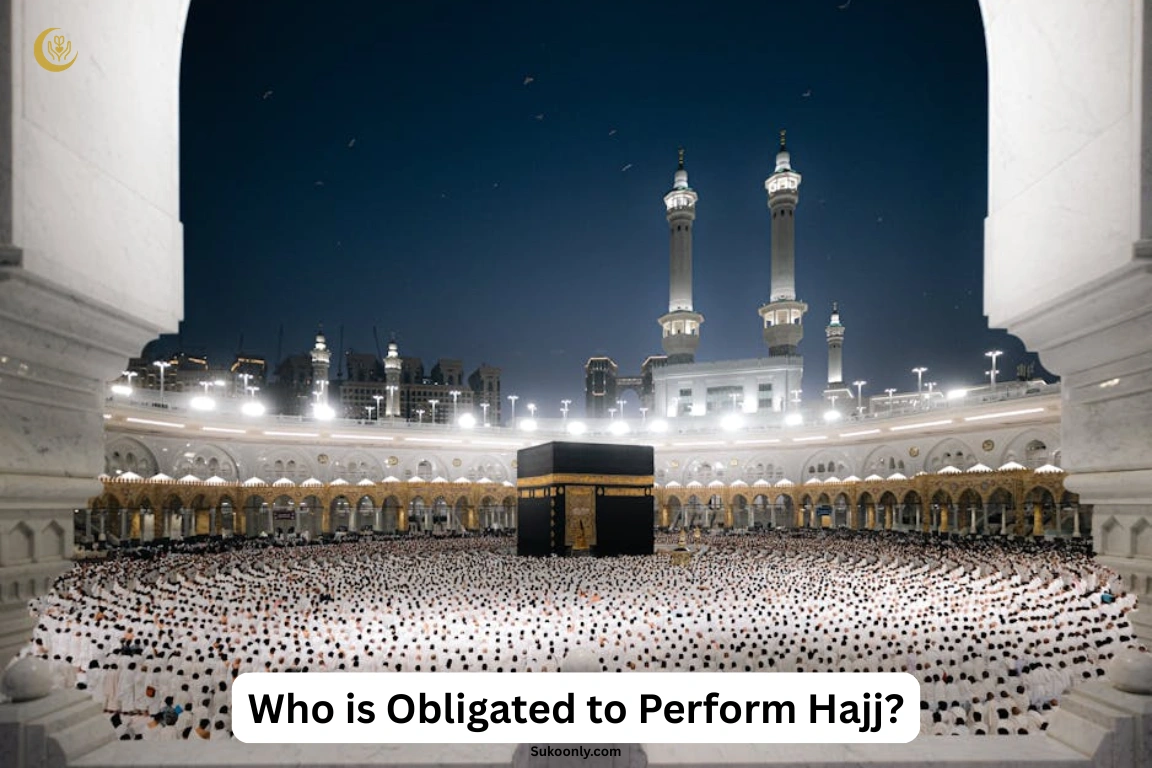 Hajj is a sacred duty and one of the Five Pillars of Islam, made obligatory by Allah ﷻ upon every Muslim who has the ability (istīṭāʿah) to perform it. The Qur’an beautifully commands:
“And [due] to Allah from the people is a pilgrimage to the House — for whoever is able to find thereto a way.” (Āl ʿImrān 3:97)
This verse establishes Hajj as a personal obligation (farḍ ʿayn) that must be fulfilled once in a lifetime by those capable.
According to Islamic jurisprudence (fiqh), Hajj becomes obligatory when five key conditions are met:
- Bāligh (mature) — the person has reached the age of responsibility (taklīf).
- ʿĀqil (of sound mind) — able to make intention (niyyah) and perform worship with understanding and sincerity (ikhlāṣ).
- Financially capable (qudrah māliyah) — having sufficient means to afford travel and support dependents without hardship.
- Physically capable (qudrah badaniyyah) — possessing health and strength to undertake the journey and complete the rites.
- Safe passage (amān al-ṭarīq) — access to Makkah al-Mukarramah without danger or serious difficulty.
For women, an additional guideline from the Sunnah requires traveling with a maḥram (male guardian) for protection and comfort.
If a believer cannot afford the journey, faces illness, or lacks safe access, Hajj is not required until ability is granted. This reflects Allah’s raḥmah (mercy) and the Qur’anic promise:
“Allah does not burden a soul beyond its capacity.” (Al-Baqarah 2:286)
In this way, Hajj beautifully unites command and compassion — a divine invitation that meets every believer where they are. It reminds us that worship in Islam is never meant to burden, but to awaken gratitude, trust, and closeness to Allah ﷻ.
Difference Between Hajj and ʿUmrah
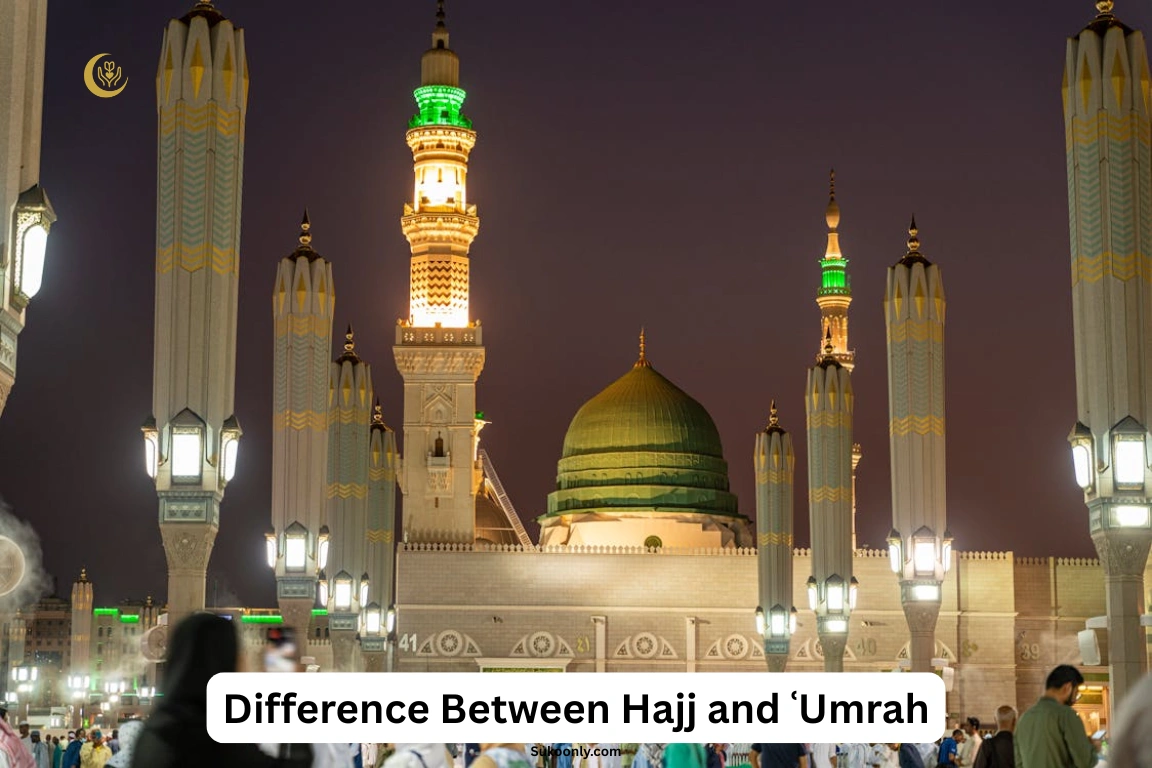
Hajj and ʿUmrah are both sacred pilgrimages to Makkah al-Mukarramah, but they differ in obligation, timing, and spiritual scale.
Hajj is a mandatory act of worship performed once in a lifetime by every Muslim who is physically and financially capable, during the days of 8th–13th Dhul-Hijjah.
ʿUmrah, known as the lesser pilgrimage, is a voluntary Sunnah that can be performed any time of the year, offering spiritual purification and renewal.
Comparison Table
| Aspect | Hajj | ʿUmrah |
| Obligation | Mandatory once in a lifetime; one of the Five Pillars of Islam. | Voluntary; a Sunnah of Prophet Muhammad ﷺ. |
| Timing | Fixed: 8th–13th Dhul-Hijjah (Islamic lunar calendar). | Anytime throughout the year. |
| Duration | Takes 5–6 days to complete. | Can be completed within a few hours. |
| Rituals | Includes iḥrām, ṭawāf, saʿī, wuqūf at ʿArafah, stoning the Jamarāt, and sacrifice (udhiyah). | Includes iḥrām, ṭawāf, and saʿī only. |
| Spiritual Significance | Represents obedience, sacrifice, and unity of the Ummah. | Reflects personal devotion and forgiveness. |
| Reward | Promised Paradise for an accepted Hajj (Sahih al-Bukhari 1773). | Brings forgiveness and spiritual renewal (Sahih Muslim 1256). |
| Frequency | Once in a lifetime if able. | Can be performed multiple times. |
Rewards and Virtues of Hajj
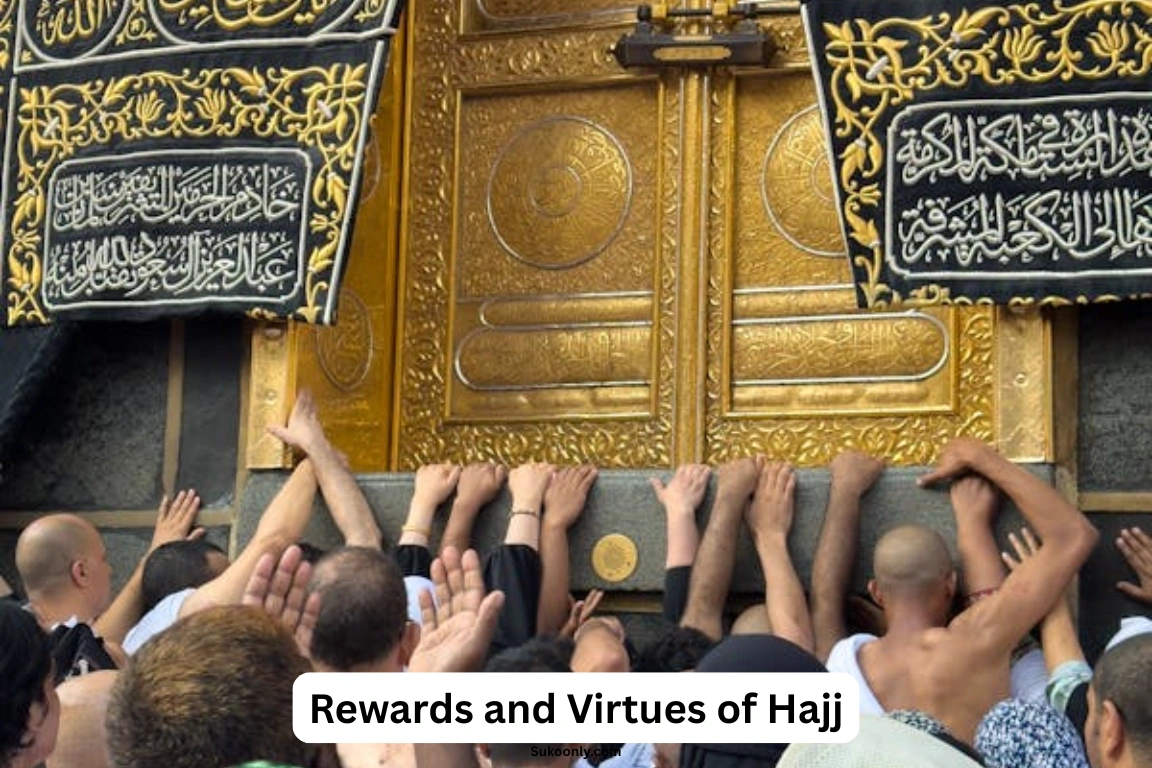
The rewards and virtues of Hajj are beyond measure. They are not just acts of worship, but moments that cleanse the heart, renew the soul, and draw the believer nearer to Allah ﷻ. The Prophet Muhammad ﷺ said:
“Whoever performs Hajj and refrains from obscenity and wrongdoing will return as pure from sins as the day his mother gave birth to him.” (Sahih al-Bukhari 1521, Sahih Muslim 1350)
A sincere and accepted Hajj (Hajj al-Mabrūr) wipes away past sins and opens the gates of Jannah (Paradise). The Prophet ﷺ also said:
“An accepted Hajj has no reward except Paradise.” (Sahih al-Bukhari 1773)
1. Forgiveness and Purification
Every step of Hajj — from Tawāf around the Kaaba to standing at ʿArafāt, from Saʿy between Ṣafā and Marwah to offering Qurbānī — is a step toward forgiveness. Each act humbles the ego, polishes the heart, and restores the soul’s connection with its Creator. Through tawbah (repentance) and taqwā (God-consciousness), a believer leaves behind worldly burdens and emerges renewed in faith.
2. Equality and Unity
On the plains of ʿArafāt, millions of Muslims stand together, clothed in the same white garments of iḥrām. There is no difference between rich or poor, Arab or non-Arab — only the sincerity of one’s heart. This moment fulfills the Qur’anic truth:
“Indeed, the most noble of you in the sight of Allah is the most righteous of you.” (Surah Al-Ḥujurāt 49:13)
Hajj is the living symbol of unity — where all distinctions vanish, and every soul stands equal before Allah, seeking His mercy and forgiveness.
3. Transformation and Renewal
Hajj builds ṣabr (patience), teaches shukr (gratitude), and nurtures ikhlāṣ (sincerity). It tests one’s endurance and softens one’s heart. The believer returns home transformed — with a heart purified, a spirit humbled, and a soul alive with remembrance. Through this sacred journey, one’s Shahādah is renewed not just in words, but in action — through obedience, sacrifice, and devotion.
From the circling of Tawāf to the stillness of ʿArafāt, from Muzdalifah’s quiet reflection to Mina’s stoning of temptation, the pilgrim moves closer to forgiveness and light. Hajj is both an obligation and a mercy — a call from Allah to wash away the past, begin anew, and return home with a heart full of peace.
Common Mistakes and Misconceptions About Hajj
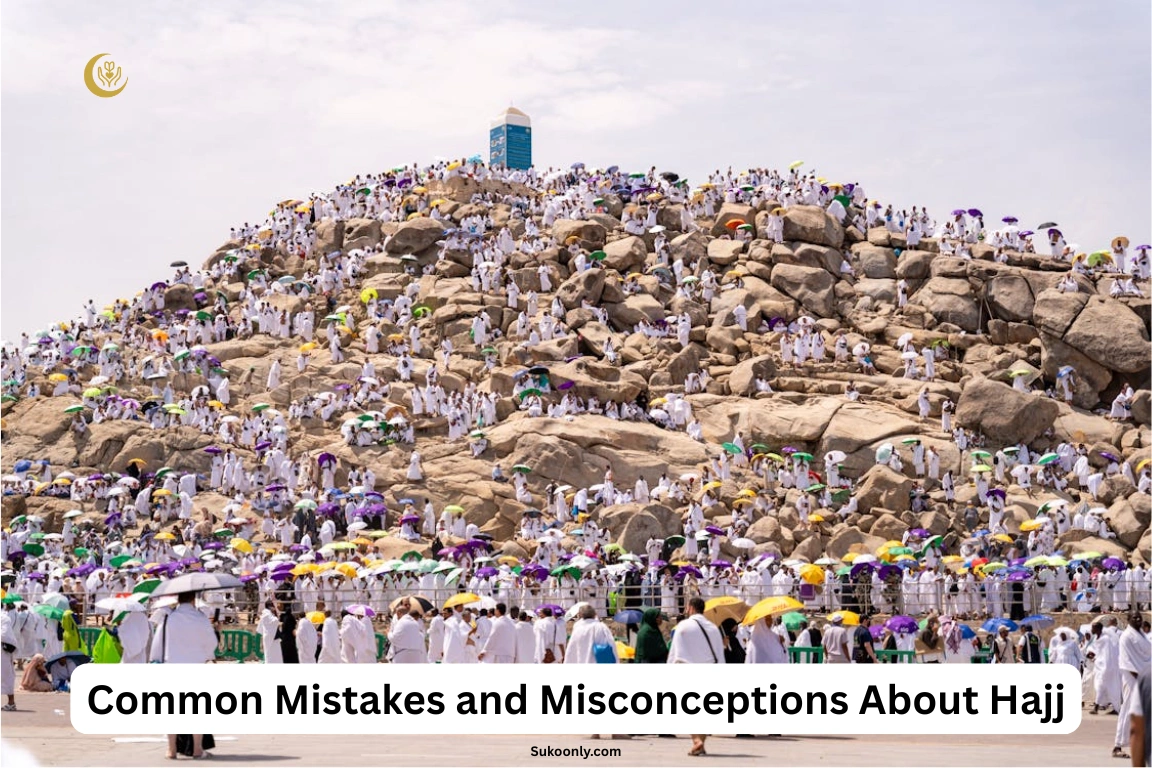
Every believer who sets out for Hajj does so with love and hope, yet along the way, some fall into mistakes that can affect the spirit or reward of their pilgrimage. The best way to safeguard one’s Hajj is through knowledge, sincerity, and humility — performing every act as the Prophet ﷺ taught, seeking Allah’s acceptance rather than people’s praise.
1. Mistaking Hardship for Piety
Many assume that physical struggle alone makes a Hajj accepted. In reality, Hajj al-Mabrūr is earned through ikhlāṣ (sincerity) and a heart aligned with niyyah (intention). The Prophet Muhammad ﷺ said:
“Verily, actions are judged by intentions, and every person will have only what they intended.” (Sahih al-Bukhari 1, Sahih Muslim 1907)
True reward comes from devotion, not discomfort.
2. Errors in Ritual Performance
Some mistakes happen out of haste — entering iḥrām without intention, skipping tawāf al-wadāʿ, or losing patience during the crowd. Yet, the Prophet ﷺ reminded us:
“Whoever performs Hajj and does not commit obscenity or wrongdoing will return as pure as the day he was born.” (Sahih al-Bukhari 1521)
Gentleness, patience, and respect for others are part of worship. They carry the same reward as any outward rite.
3. Misunderstanding Forgiveness
Some believe that Hajj erases every sin, including those done against others. But Hajj only cleanses what is between a person and Allah ﷻ. Sins involving people’s rights must be resolved through tawbah (repentance) and restitution. The Prophet ﷺ said:
“Whoever has wronged his brother, let him seek forgiveness before the Day of Judgment.” (Sahih al-Bukhari 2449)
A truly purified heart is one free from harm and injustice toward others.
4. Misusing Delegated Hajj (Ḥajj al-Badal)
Some assume that hiring someone to perform Hajj on their behalf is always acceptable. Islam allows Ḥajj al-Badal only for those permanently unable due to age or illness. When a woman asked the Prophet ﷺ about her father who could not perform Hajj, he said:
“Perform Hajj on his behalf.” (Sahih al-Bukhari 1513)
If a believer has the means and health, they must answer the call themselves — for Hajj is not a duty to outsource, but a journey to the heart of obedience.
5. Pride After Pilgrimage
Some return from Hajj boasting of their experience or using the title “Ḥājj” as a mark of status. But the sign of an accepted Hajj al-Mabrūr is tawāḍuʿ (humility), not recognition. The Prophet ﷺ said:
“An accepted Hajj has no reward except Paradise.” (Sahih al-Bukhari 1773)
The real transformation appears in one’s speech, character, and worship after returning home.
The greatest mistake is completing Hajj physically but not spiritually. The true pilgrim returns forgiven, humbled, and changed — carrying within them the fragrance of Makkah al-Mukarramah, the peace of ʿArafāt, and the mercy of Allah ﷻ.
Related Duas and Supplications During Hajj
Every moment of Hajj carries a chance to draw nearer to Allah ﷻ — through dhikr (remembrance) and duʿāʾ (supplication). The Prophet Muhammad ﷺ taught these Duas to keep the pilgrim’s heart humble, grateful, and connected at each sacred step.
1. Dua for Intention (Niyyah of Hajj)
At the miqāt, pilgrims declare niyyah (intention) and enter iḥrām, saying:
“Labbayka Allāhumma Ḥajjan” — “Here I am, O Allah, for Hajj.”
A pledge of obedience that marks the true beginning of Hajj.
2. Dua at ʿArafah
The Day of ʿArafah is the heart of Hajj — when Allah ﷻ forgives those who sincerely call upon Him. The Prophet ﷺ said:
“The best supplication is the supplication on the Day of ʿArafah.” (Tirmidhi 3585)
From noon to sunset, pilgrims raise their hands in repentance and hope.
3. Dua after Ṭawāf (Circumambulation)
After seven rounds around the Kaʿbah, pilgrims stand at the Multazam — the space between the Black Stone and the Kaʿbah door, where Duas are accepted.
“O Allah, accept my Hajj, forgive my sins, and open my heart to Your mercy.”
A moment when the heart feels embraced by divine nearness.
Together, these Duas transform the Hajj journey from movement to meaning — where Niyyah begins faith, ʿArafah brings forgiveness, and Tawaf completes nearness to Allah ﷻ.
FAQs — About Hajj Basics
In Arabic, Hajj (حَجّ) means “to set out with purpose for something sacred.” In Islam, it refers to the pilgrimage to Makkah al-Mukarramah, performed in the blessed month of Dhul-Hijjah in obedience to Allah ﷻ.
Hajj is one of the Five Pillars of Islam. It teaches submission, obedience, and spiritual surrender, following the example of Prophet Ibrāhīm (عليه السلام) and the guidance of Prophet Muhammad ﷺ. It gathers the Ummah in unity, reminding every believer of their shared devotion to Allah.
More than a journey across distance, Hajj is a journey within — a time to seek forgiveness, renew faith, and draw closer to the Creator ﷻ.
Hajj (حجّ) is a farḍ — a sacred duty that every Muslim must perform once in a lifetime when certain conditions are met: faith (Islām), maturity (bulūgh), sanity (ʿaql), financial ability (istiṭāʿah), and physical strength (qudrah).
The Qur’an reminds us:
“Pilgrimage to the House is a duty owed to Allah by all who can afford the way to it.” — Āl ʿImrān 3:97
Those who are ill, struggling financially, or unable to travel safely are excused until Allah ﷻ grants them ease. But if a believer has the means and health yet delays, it becomes a serious shortcoming in faith.
Hajj teaches us that true worship joins intention (niyyah) with readiness — answering Allah’s call with a heart willing and means prepared.
Both Hajj and ʿUmrah are sacred pilgrimages to Makkah al-Mukarramah, centered upon the Kaʿbah, yet they differ in their obligation, timing, and ritual depth.
- Hajj (حجّ) is farḍ ʿayn — a divinely ordained duty that every able Muslim must perform once in a lifetime. It takes place only during the days of Dhul-Hijjah (8th–13th) and includes the central rites of standing at ʿArafah, staying in Mina and Muzdalifah, Tawaf al-Ifadah, and stoning the Jamarāt — all in remembrance of Prophet Ibrāhīm (عليه السلام) and his family’s obedience to Allah ﷻ.
- ʿUmrah (عُمرة) is sunnah mu’akkadah — a highly encouraged act of devotion that can be performed at any time of the year. Its rites are simple yet deeply meaningful: entering iḥrām, performing Tawaf around the Kaʿbah, and completing Saʿī between Ṣafā and Marwah, as affirmed in Qur’an 2:158.
In essence, Hajj is a pillar of Islam with fixed timing and immense spiritual reward, while ʿUmrah is an open door of worship — a voluntary journey of renewal that can be undertaken whenever the heart longs to draw closer to Allah ﷻ.
Hajj (حجّ) is a sacred journey of repentance, purification, and spiritual rebirth that brings a believer closer to Allah ﷻ.
During Hajj, Muslims leave behind titles and possessions, standing together in iḥrām, a garment that reflects humility, equality, and surrender before their Lord. Through the profound acts of Tawaf around the Kaʿbah, Saʿī between Ṣafā and Marwah, standing at ʿArafah, and stoning the Jamarāt, the heart is polished from sin, ego, and forgetfulness (ghaflah).
The Prophet ﷺ said:
“Whoever performs Hajj for Allah and avoids obscenity and sin will return pure, like the day his mother gave birth to him.” — Sahih al-Bukhari (1521)
Hajj rekindles taqwā (God-consciousness), strengthens ikhlāṣ (sincerity), and fills the soul with sakīnah (tranquility). It reminds every pilgrim that real peace begins in obedience and gratitude, when the heart turns back to Allah ﷻ in complete devotion.
During Hajj, every pilgrim enters a sacred state called iḥrām, which comes with specific boundaries known as maḥẓūrāt al-ḥajj — acts that must be avoided to keep the pilgrimage pure and accepted.
These include:
- Cutting hair or nails, as the pilgrim detaches from vanity and self-focus.
- Using perfume or scented products, preserving the simplicity of iḥrām.
- Engaging in marital intimacy or proposals, keeping the heart devoted solely to Allah.
- Arguing, quarrelling, or harsh speech, for Hajj calls to gentleness and peace.
- Hunting, harming animals, or damaging plants within the Ḥaram, honoring its protected sanctity.
- Covering the head (for men) or face (for women) during specific rites.
- Pride, impatience, or anger, which oppose the humility Hajj is meant to teach.
Allah ﷻ says:
“Hajj is in well-known months; whoever undertakes it, let there be no sexual relations, sin, or dispute during Hajj.” — Surah Al-Baqarah (2:197)
By observing these limits, the pilgrim learns restraint, patience, and obedience, transforming the journey into an inner purification of the soul. In truth, Hajj is not only movement between holy places — it is the cleansing of the heart before Allah ﷻ.
The true sign of an accepted Hajj (Ḥajj Mabrūr) is not found in titles or recognition, but in the change that takes root within the heart. A Ḥajj Mabrūr is performed with ikhlāṣ (sincerity) and taqwā (God-consciousness), leading to a life of humility, truthfulness, and renewed faith.
The Prophet ﷺ said:
“An accepted Hajj has no reward except Paradise.” — Sahih al-Bukhari (1773)
Scholars describe Ḥajj Mabrūr as a pilgrimage done purely for Allah ﷻ, free from sin, argument, and riyāʾ (showing off). Its acceptance is reflected when a pilgrim returns gentler in words, honest in dealings, and steadfast in worship.
When worship blossoms into gratitude and faith shapes one’s character, that is the truest sign of acceptance — the kind of Hajj whose reward is Jannah, and whose mark remains upon the heart forever.

Fathima Kausar K is a writer at Sukoonly.com, where she focuses on sharing authentic duas, Qur’anic supplications, and spiritually uplifting content that helps readers find peace, clarity, and closeness to Allah.
Her writing is rooted in the belief that duʿāʾ is not just a set of words, but a sincere conversation with Allah — especially during moments of sadness, uncertainty, gratitude, or quiet reflection. Through her articles, she aims to make authentic Islamic supplications easier to understand, meaningful to recite, and practical for everyday life.
Fathima carefully studies classical Islamic sources, authentic narrations, and well-known scholarly explanations, and presents them in a simple, gentle, and relatable way. Her focus is always on clarity, authenticity, and emotional connection rather than complexity or technical language.
Through Sukoonly, she hopes to create a peaceful space where readers can slow down, reconnect with their faith, and find comfort through remembrance, duas, and trust in Allah.