

Milad-un-Nabi, also known as Mawlid al-Nabi (مولد النبي), is the commemoration of the birth of Prophet Muhammad ﷺ, remembered in Islam as the coming of rahmah—divine mercy—for all creation. It is most commonly observed on the Sunday, August 15, 2027 (12th Rabi’ al-Awwal 1449 AH) in the Hijri calendar, though traditions may differ by region and school of thought. Across the Muslim world, the day is marked with Qur’an recitation, salawat upon the Prophet ﷺ, seerah reminders, charity, and gatherings of remembrance, while in some places it also includes cultural expressions of devotion. Because the lunar calendar shifts each year, the Gregorian date for 2026 places Milad-un-Nabi in early August.
In this article, we will look at its meaning, the date for 2027, and the Islamic rulings—sharing a balanced perspective rooted in the Qur’an, Sunnah, and scholarly views.
What Does Milad-un-Nabi Mean in Islam?
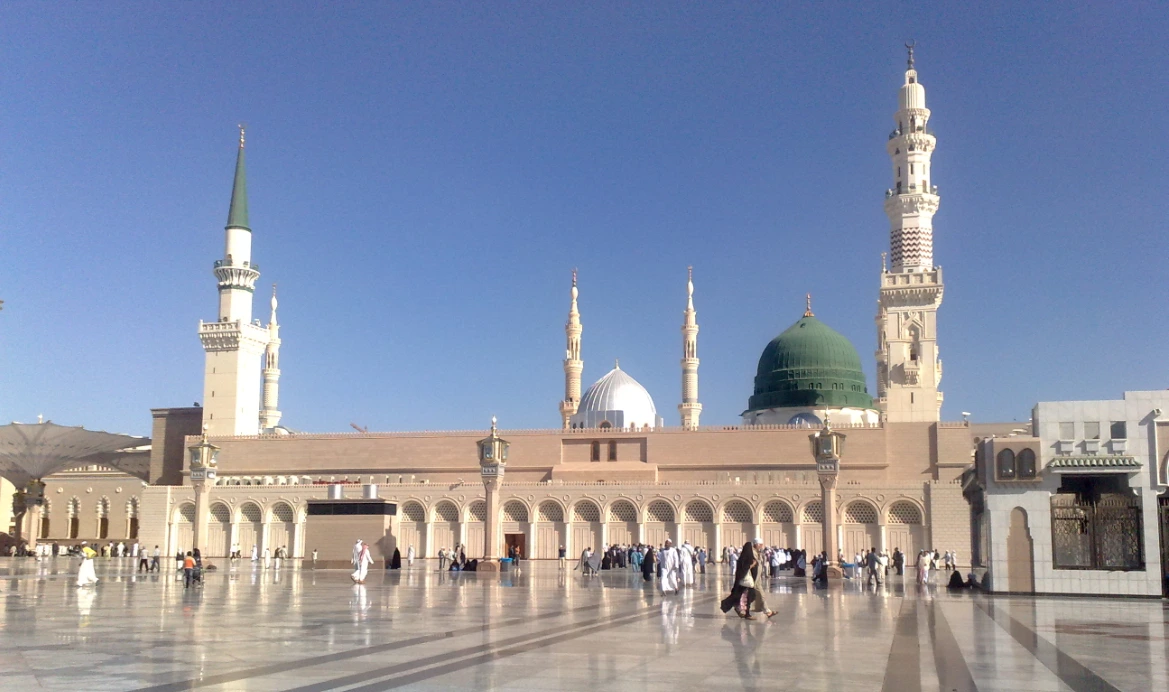
The term Milad-un-Nabi, also known as Mawlid al-Nabi (مولد النبي), refers to the birth of Prophet Muhammad ﷺ. The word Mawlid comes from the Arabic root walada (ولد), meaning “to give birth,” while Nabi means “Prophet” or “Messenger of Allah.” Together, the phrase signifies the nativity of the Prophet ﷺ.
For Muslims, this occasion is more than a date on the calendar—it is a reminder of the Prophet’s role as rahmatan lil-‘alamin—“a mercy to all worlds” (Qur’an 21:107).
While the Qur’an and Sunnah do not instruct Muslims to celebrate his birthday, they encourage us to send salawat, follow his sunnah, and reflect deeply on his seerah. Over the centuries, Muslim scholars and communities have treated Milad as an opportunity to show love, reverence, and gratitude for the Messenger of Allah ﷺ.
When is Milad-un-Nabi in 2027? (Date & Calendar)
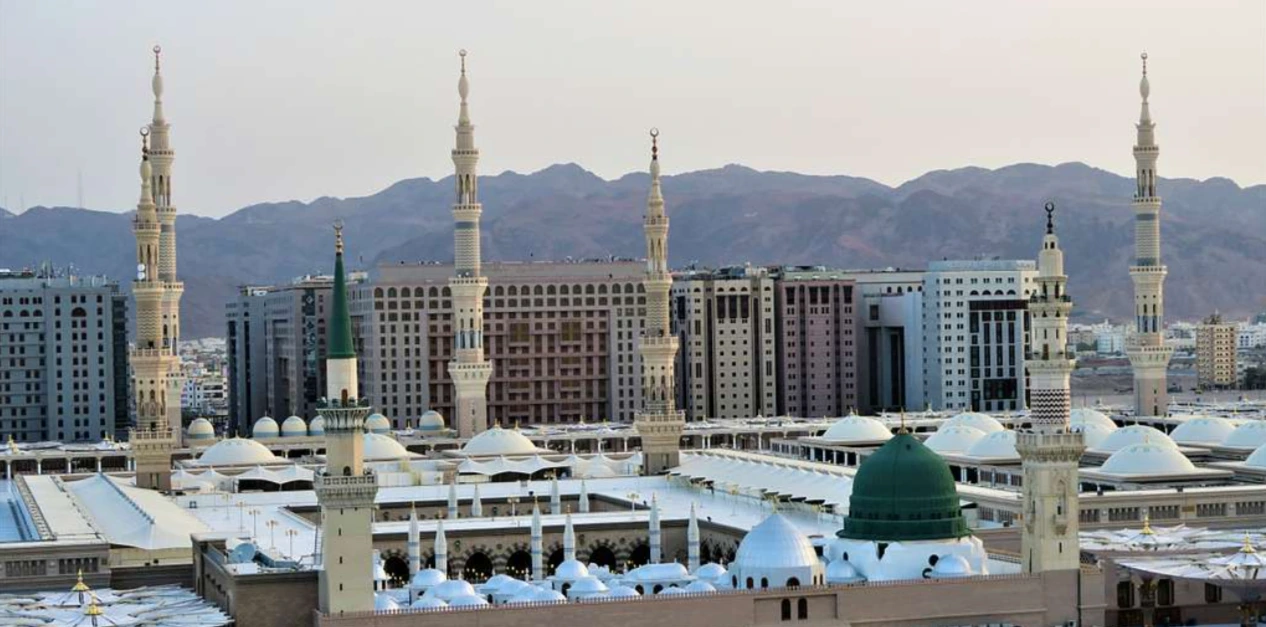
Milad-un-Nabi is commemorated on the 12th of Rabi‘ al-Awwal in the Islamic Hijri calendar, though some traditions mark it on the 11th or 17th. Since the Hijri calendar follows the lunar cycle and depends on moon sighting (hilal), the date shifts each year in the Gregorian calendar.
In 2027, Milad-un-Nabi is expected on Sunday, August 15, 2027 (12th Rabi’ al-Awwal 1449 AH), though the final confirmation will come with the sighting of the crescent in each country. Most Sunni-majority nations—including India, Pakistan, Bangladesh, and the Gulf states—are likely to observe it on this date, while some Shia communities may commemorate it on different days within Rabi‘ al-Awwal.
For reference, see our Rabi‘ al-Awwal calendar
History of Mawlid — Origins & Practices Across Muslim World
The observance of Milad-un-Nabi was absent during the lifetime of Prophet Muhammad ﷺ, the Companions (Sahabah), and the early generations (Salaf). Historical sources trace the beginnings of Mawlid to the Fatimid dynasty in Egypt (10th–12th century CE). Later, under the Ottoman Empire, the commemoration became more established, with public gatherings, devotional poetry, and dhikr assemblies forming part of the tradition.
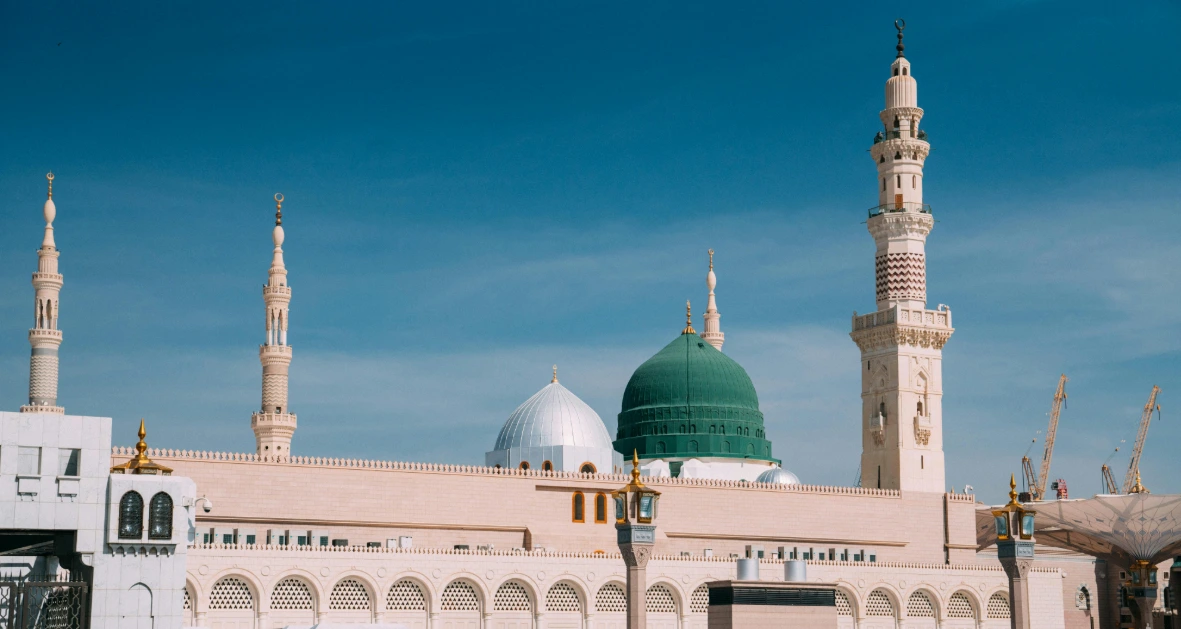
As Mawlid spread, it took on different forms across the Muslim world. In South Asia, it is often marked with naat recitations, processions, and sermons. In the Middle East, observances center on Qur’an recitation, seerah lessons, and dhikr circles. In parts of Africa, it is expressed through communal celebrations that weave together devotion and local customs. Though the expressions vary, the heart of Mawlid remains the same: remembering the Prophet ﷺ and expressing love and gratitude for him.
Is Celebrating Milad-un-Nabi Permissible?
The question of whether Milad-un-Nabi is permissible has long been a matter of discussion in Islamic jurisprudence (fiqh). Scholars differ—some endorse it as a way of showing love for the Prophet ﷺ, while others view it as an innovation.
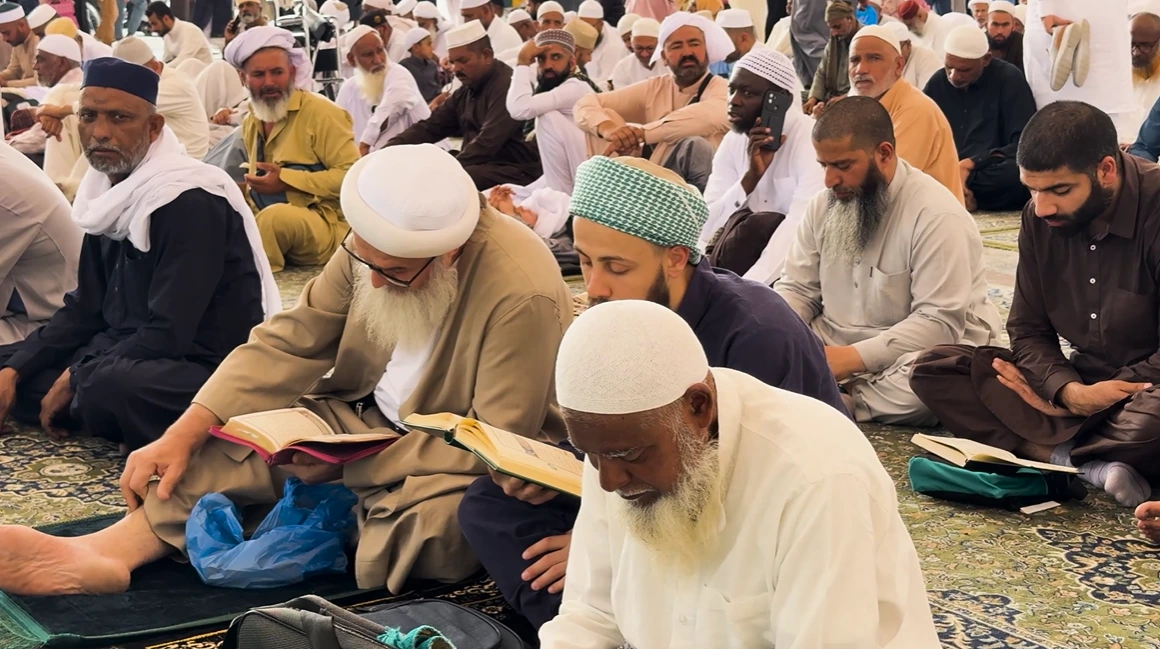
Those who permit Mawlid describe it as a manifestation of devotion and gratitude for the Messenger of Allah ﷺ. It is often expressed through Qur’an recitation, salawat, dhikr, seerah reminders, and acts of charity. Classical scholars such as Imam Jalaluddin al-Suyuti even wrote in defense of Mawlid, regarding it as permissible when observed within the limits of Shariah.
On the other side, scholars such as Ibn Taymiyyah and later reformist voices consider Mawlid a religious innovation (bid‘ah), since it was not practiced by the Prophet ﷺ, the Companions (Sahabah), or the early Salaf. They caution that adding religious practices not prescribed by the Qur’an and Sunnah risks diverting believers from prophetic guidance.
In the present day, fatwas differ across regions and madhhabs (schools of thought). Some Muslim-majority countries promote public Mawlid gatherings, while others advise against it or discourage it altogether.
Acts of Worship & Sunnah Practices on Milad-un-Nabi
When Muslims observe Milad-un-Nabi, the focus is on worship rooted in the Sunnah rather than new rituals. Common practices include reciting the Qur’an, sending salawat upon Prophet Muhammad ﷺ, engaging in dhikr, and reflecting on his seerah. Many also give charity (sadaqah) or keep nafl (voluntary) fasts during Rabi‘ al-Awwal, seeking closeness to Allah ﷻ.
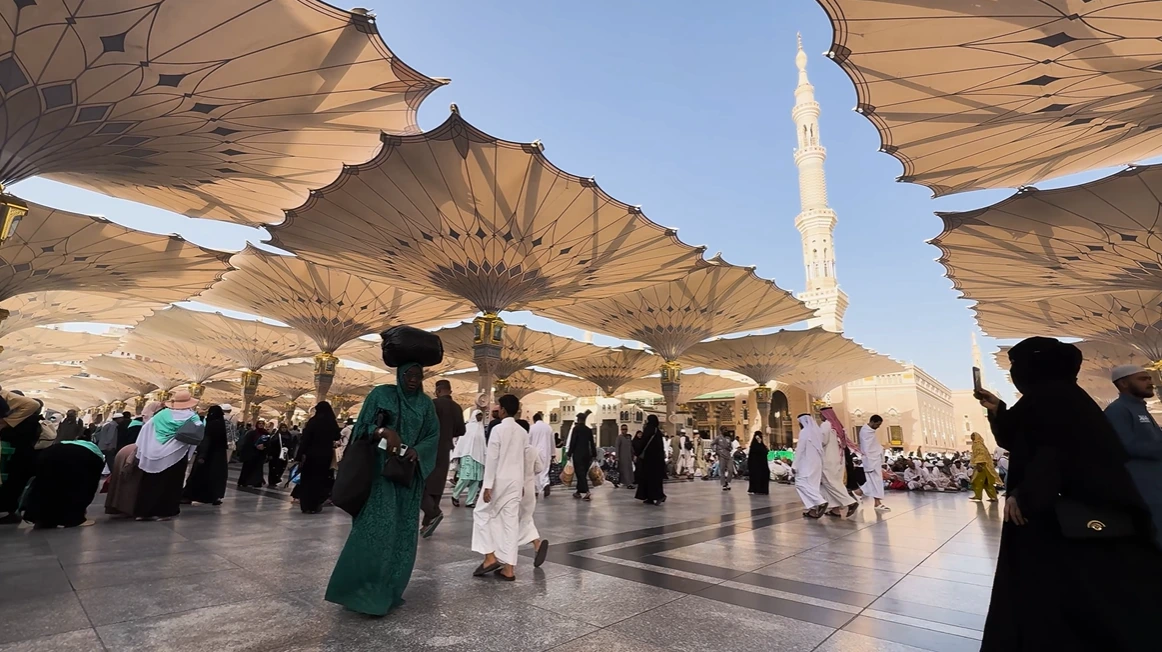
Within families, gatherings often include sharing episodes from the Prophet’s life, reminding one another of his akhlaq (noble character), and teaching children lessons from his example. These practices are not exclusive to Mawlid; they are part of established Sunnah devotion and are emphasized on this occasion as an expression of love, gratitude, and reverence for the Messenger of Allah ﷺ.
Recommended Duas for Milad-un-Nabi
On Milad-un-Nabi, Muslims increase their remembrance of Allah (dhikr) and send abundant salawat upon Prophet Muhammad ﷺ. The most well-known of these is the Salawat Ibrahimiyya, recited daily in prayer:
اللَّهُمَّ صلِّ على محمّدٍ وعلى آلِ محمّدٍ كما صلّيتَ على إبراهيمَ وعلى آلِ إبراهيمَ إنّك حميدٌ مجيد Transliteration: Allahumma salli ‘ala Muhammad wa ‘ala aali Muhammad kama sallayta ‘ala Ibrahima wa ‘ala aali Ibrahim, innaka Hamidun Majid. Meaning: O Allah, send Your blessings upon Muhammad and his family, as You sent blessings upon Ibrahim and his family. Indeed, You are Praiseworthy, Glorious.
Along with this, believers often turn to duas of gratitude, recite verses such as “We have not sent you except as a mercy to the worlds” (Qur’an 21:107), and make heartfelt prayers asking for nearness to the Prophet ﷺ on the Day of Judgment.
These supplications are not limited to Mawlid, but the day provides a special opportunity to renew love, gratitude, and devotion to the Messenger of Allah ﷺ.
Global Significance of Milad-un-Nabi
Milad-un-Nabi is commemorated across the Muslim world, and each region reflects its devotion in unique ways. In South Asia—especially India, Pakistan, and Bangladesh—the day is marked with naat recitations, processions, public gatherings, and acts of charity. In the Middle East, observances are more devotional, focusing on Qur’an recitation, religious talks, and voluntary fasting. In Africa, including Sudan, Nigeria, and Egypt, communities hold festivals, processions, and dhikr gatherings that bring people together.
Several Muslim-majority countries—such as Saudi Arabia, the UAE, Egypt, Pakistan, and Indonesia—recognize Milad-un-Nabi as an official public holiday, while in other places it remains a more private or cultural observance. Despite these differences, the heart of the occasion is the same: to honor Prophet Muhammad ﷺ, reflect on his seerah (life and mission), and show gratitude for his role as rahmatan lil-‘alamin (a mercy to all worlds).
Common Misconceptions About Mawlid
There are several misconceptions about Milad-un-Nabi (Mawlid al-Nabi). Some people assume it is an obligatory duty (fard), but scholars clarify that it is not a mandated act of worship. Others confuse it with the two Eids—Eid al-Fitr and Eid al-Adha—even though Mawlid is not an Eid but a commemorative remembrance of the Prophet’s birth.
- Another common idea is that every form of celebration is haram. Scholars explain that virtuous practices—such as Qur’an recitation, salawat, seerah study, and charity—are encouraged, while innovations outside the guidance of Shariah are discouraged. In many regions, cultural customs like processions, decorations, or communal meals are observed, but these are traditions, not religious obligations.
- At its heart, Mawlid is about remembering Prophet Muhammad ﷺ, renewing love and gratitude, and ensuring observances remain faithful to the Qur’an and Sunnah.
Conclusion — Milad-un-Nabi as a Time of Reflection & Renewal
Milad-un-Nabi is more than a date on the calendar—it is a sacred time of reflection and renewal. It invites Muslims to pause and reflect on the seerah and the noble character (akhlaq) of Prophet Muhammad ﷺ. However it is observed, the essence remains the same: to honor his mission, show love and gratitude, and live by his Sunnah.
The day encourages believers to increase salawat, engage in Qur’an recitation and dhikr, revisit the seerah, and give generously in charity and service. At its heart, Mawlid turns hearts back to the mercy, guidance, and nur (divine light) the Prophet ﷺ brought to humanity, offering a chance to renew devotion and strengthen the bond with Allah ﷻ through his example.
FAQs — Milad-un-Nabi

Mohammed Basheer is the founder of Sukoonly.com, an Islamic blog focused on duas, prophetic healing, and Qur’anic wisdom. He writes with sincerity and spiritual depth for seekers around the world.