
How Many Ayat Are in the Qur’an?
The Qur’an contains 6,236 ayat (verses) according to the Kufan counting system, which is the standard used in most printed mushafs today. This numbering method became dominant across the majority of the Muslim world and is the reference system found in widely distributed copies of the Qur’an.
Classical Islamic scholars documented slight variations in total verse count based on regional counting traditions. Early methods such as the Madinan, Makkan, Basran, and Shami systems recorded totals ranging between 6,214 and 6,236 ayat.
These differences do not reflect any change in the Qur’anic text. The words, recitation, and meaning of the Qur’an remain identical across all recognized qirā’āt (canonical recitations) and manuscripts. The variation concerns only how verse endings were identified and numbered.
Why Do Some Sources Mention Different Numbers?
Some sources report different totals for the number of ayat in the Qur’an because early Muslim scholars used slightly different methods to determine where one verse ended and another began. These differences emerged within recognized scholarly traditions and were transmitted alongside the recitation of the Qur’an, not independently from it.
Classical verse-counting traditions include the Kufan, Madinan, Makkan, Basran, and Shami systems. Each method followed structured principles based on how the Prophet ﷺ recited the Qur’an and where natural pauses (waqf) were observed. The Kufan system, which counts 6,236 ayat, later became the most widely adopted standard in printed mushafs.
It is important to clarify that these variations concern numbering only. The Qur’anic text remains identical and unchanged across all recognized recitations and manuscripts. No verse was added, removed, or altered. The difference relates solely to verse division — not to words, meaning, or preservation.
Does “Bismillah” Count as a Separate Ayah?
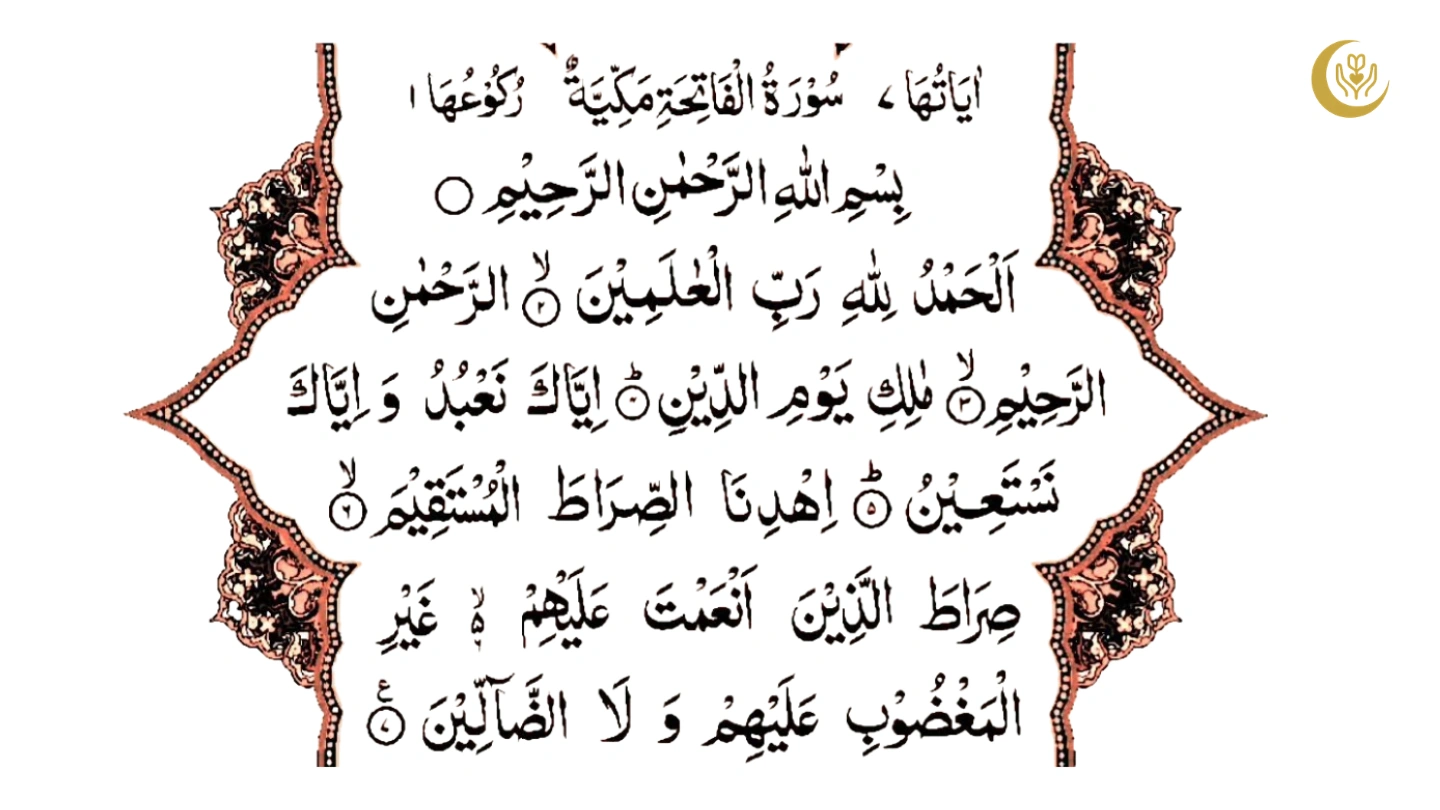
The phrase “Bismillah ir-Rahman ir-Rahim” appears at the beginning of every surah in the Qur’an except Surah At-Tawbah (9). Whether Bismillah is counted as a separate ayah directly affects how many ayat are reported in the Qur’an.
In Surah Al-Fatiha (1), the majority of scholars — especially within the Kufan counting system — count Bismillah as verse 1, making the surah seven verses in total. Because Al-Fatiha is recited in every unit of prayer and serves as the opening chapter of the Qur’an, this counting decision influences the overall total of 6,236 ayat in the Kufan method.
In the remaining surahs, Bismillah is written at the beginning of each chapter but is generally not counted as a separate verse. The exception is Surah An-Naml (27:30), where Bismillah ir-Rahman ir-Rahim appears within the body of the surah itself as part of an ayah in the story of Prophet Sulayman.
These methodological differences in counting Bismillah help explain why classical verse totals range between 6,214 and 6,236 ayat. The variation concerns verse numbering only. The Qur’anic text remains unchanged across all recognized recitations and manuscripts.
How Many Surahs and Words Are in the Qur’an?
The Qur’an contains 114 surahs (chapters), beginning with Surah Al-Fatiha (1) and ending with Surah An-Nas (114). These surahs vary significantly in length. For example, Surah Al-Baqarah (2) is the longest chapter in the Qur’an, while Surah Al-Kawthar (108) is one of the shortest, containing only three ayat.
In terms of word count, the Qur’an contains approximately 77,000 words, with commonly cited figures around 77,430 words depending on counting methodology. Slight differences may occur based on how compound words and orthographic forms are counted. These variations do not affect the text itself but relate only to technical counting approaches.
For structured recitation and memorization, the Qur’an is divided into:
-
30 Juz – equal sections designed to complete the Qur’an in one month
-
60 Hizb – each Juz divided into two Hizb
These divisions support systematic recitation, especially during Ramadan, when many Muslims aim to complete the entire Qur’an over 30 days.
Which Is the Longest and Shortest Ayah in the Qur’an?
The longest ayah in the Qur’an is Ayat al-Dayn (the Verse of Debt) in Surah Al-Baqarah (2:282). This verse provides detailed rulings on financial transactions, written contracts, witnesses, and fairness in debt agreements. At more than 120 words in Arabic, Ayat al-Dayn is the most extensive single verse in the Qur’an and emphasizes justice and accountability in economic dealings.
The shortest ayah in the Qur’an is commonly identified as “Mudhamatan” (مدهامتان) in Surah Ar-Rahman (55:64). This one-word verse means “dark green” and describes the deep green shade of the gardens in Paradise. Some scholars also reference very short verses such as “Wal-Fajr” (Surah Al-Fajr 89:1) in discussions of brevity, but “Mudhamatan” is generally recognized as the shortest by word length.
These examples demonstrate the structural and linguistic range of the Qur’an — from detailed legal guidance in Surah Al-Baqarah to concise, vivid imagery in Surah Ar-Rahman. The variation in verse length reflects the Qur’an’s layered style, combining law, theology, narrative, and poetic expression within its 6,236 ayat.
Does the Number of Ayat Affect the Preservation of the Qur’an?
The slight differences in the total number of ayat in the Qur’an relate only to verse division and numbering, not to the Qur’anic text itself. The words, sequence, pronunciation, and meaning of the Qur’an remain identical across all recognized recitations (qirā’āt) and manuscripts.
All accepted counting traditions — including the Kufan, Madinan, Makkan, Basran, and Shami systems — transmit the same revealed Qur’an. The variation concerns where one ayah ends and another begins, based on early scholarly methods of identifying pauses (waqf) in recitation.
These differences do not affect preservation, authenticity, or doctrine. No verse was added, removed, or altered. The total may range between 6,214 and 6,236 ayat depending on the counting method, but the Qur’anic content remains unanimously preserved.
The numbering variation reflects scholarly methodology in organizing verses, not any change in revelation. The Qur’an’s preservation is rooted in continuous memorization, written manuscripts, and agreed-upon transmission across generations.
How Scholars Historically Counted the Ayat?
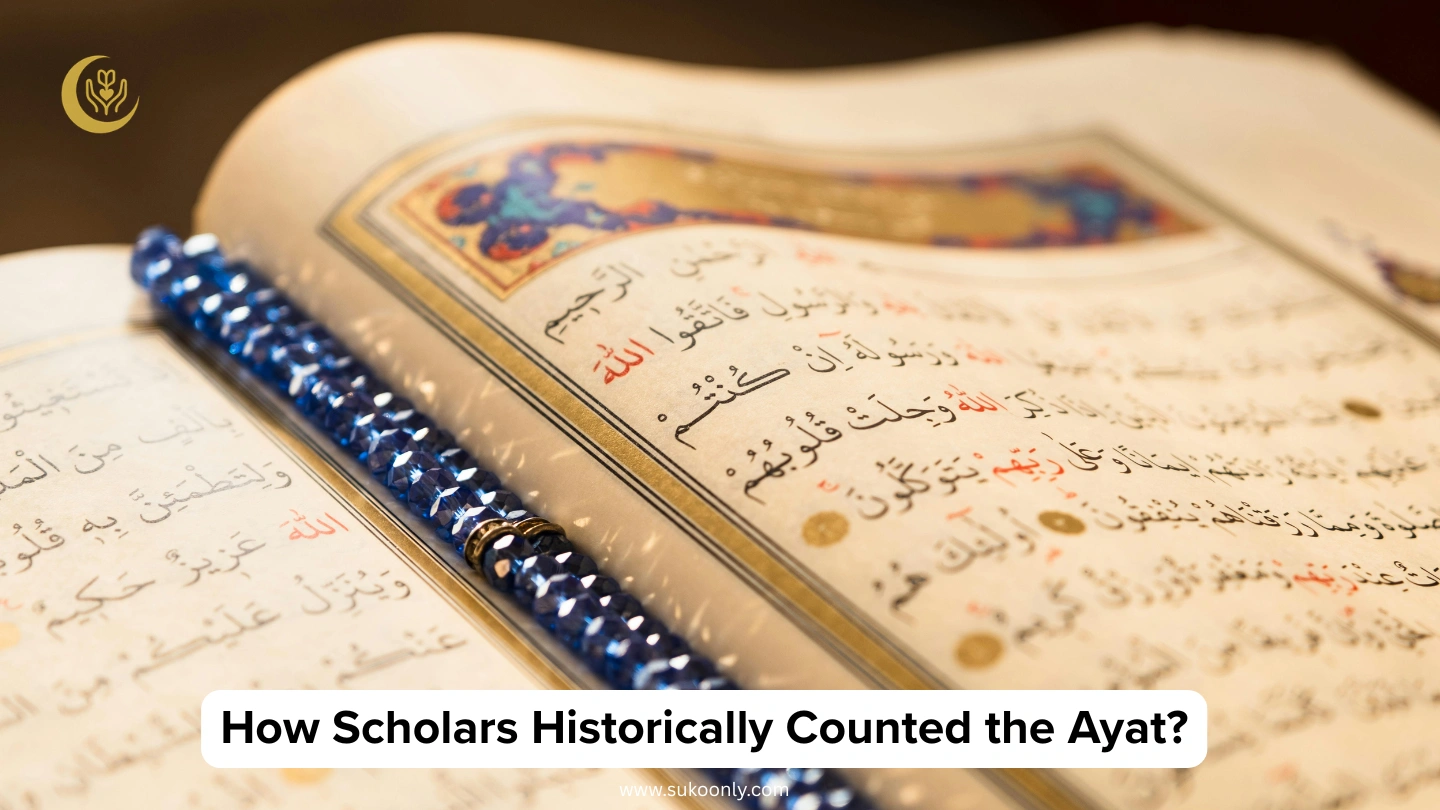
During the lifetime of the Prophet ﷺ, the Qur’an was preserved primarily through oral recitation. The Prophet would pause at specific points while reciting, and these pauses helped his companions recognize natural ayah endings. These recited pauses became the foundation for identifying verse divisions.
After the Prophet’s passing, the companions transmitted both the Qur’anic text and its method of recitation with precision. As Islam spread to major learning centers such as Kufa, Madinah, Basra, Makkah, and Sham, scholars in each region preserved the verse divisions according to the recitation patterns they had received.
Over time, these regional traditions developed into recognized counting systems — including the Kufan, Madinan, Makkan, Basran, and Shami methods. Although these systems differed slightly in how certain verses were divided, they all transmitted the same Qur’anic wording without alteration.
The variation in total ayat reflects early scholarly preservation of recitation patterns, not disagreement over the revealed text. The Qur’an remained unified in content, while verse numbering reflected careful transmission of prophetic pauses.
Frequently Asked Questions — How Many Ayat in the Qur’an?
The Qur’an contains 6,236 ayat according to the widely adopted Kufan counting system used in most printed mushafs today. Classical scholarly traditions record totals ranging between 6,214 and 6,236 ayat, depending on how verse endings were identified. The difference concerns numbering only, not the Qur’anic text.
The claim that the Qur’an contains 6,666 verses is a popular cultural figure, not a number supported by classical Qur’anic scholarship. No recognized counting system — including the Kufan, Madinan, Makkan, Basran, or Shami traditions — records 6,666 ayat. The figure likely emerged as a simplified or symbolic estimate in certain regions.
No. In Surah Al-Fatiha (1), the majority scholarly view counts Bismillah ir-Rahman ir-Rahim as verse 1, making the surah seven verses in total. In the remaining surahs, Bismillah is written at the beginning but is generally not counted as a separate ayah — except in Surah An-Naml (27:30), where it appears within the body of the text as part of a verse.
Most printed Qur’ans today follow the Kufan numbering system, which counts 6,236 ayat. Classical counting traditions differ slightly in verse division, but the Qur’anic wording remains identical across all printed copies and recognized recitations.
The Kufan counting system is the most widely used method in modern printed mushafs across the Muslim world. It forms the basis for the commonly cited total of 6,236 ayat.
Surah Al-Baqarah (2) contains 286 ayat according to the Kufan count. It is the longest surah in the Qur’an and includes the longest verse, Ayat al-Dayn (2:282).
Surah Al-Fatiha (1) contains 7 ayat. In the majority view, Bismillah is counted as the first verse.
No. The Qur’an is divided into 30 Juz for ease of recitation, especially during Ramadan, but these sections are not equal in verse count. The division is practical for completing the Qur’an in one month and does not reflect equal numerical distribution of ayat.
More in the Quran Series
Hub Page
Related Pages

Mohammed Basheer Orsala is the founder of Sukoonly.com - an Islamic resource dedicated to verified Quranic duas and Sunnah-based supplications. A self-taught Islamic researcher, he has studied classical texts and authenticated hadith collections including the works of Imam al-Nawawi, Shaykh al-Albani, Ibn Hajar al-Asqalani, and Ibn al-Qayyim. He writes to make verified Prophetic supplications accessible to English-speaking Muslims worldwide.