

The Prophet Muhammad ﷺ is known by many sacred names and noble titles, each reflecting a unique side of his mission, character, and honored place in Islam. In the Qur’an, he is called Muhammad (the Praised One) and Ahmad (the Most Praiseworthy). Authentic hadith also mention names such as Al-Hashir (the Gatherer) and Al-Mahi (the Effacer of disbelief). Over time, respected scholars recorded titles like Al-Mustafa (the Chosen One) and Al-Amin (the Trustworthy), which remind us of his integrity, mercy, and trustworthiness.
For a believer, learning these names is not just information—it is an act of love (mahabbah) and reverence. Each name deepens the bond with the Messenger of Allah ﷺ, who is described in the Qur’an (21:107) as a “mercy to all the worlds” (rahmatan lil-‘alamin).
Full Name of the Prophet Muhammad ﷺ:
Abū al-Qāsim Muḥammad ibn ʿAbd Allāh ibn ʿAbd al-Muṭṭalib ibn Hāshim
This means:
- Abū al-Qāsim – His kunya (honorific title), after his eldest son, Al-Qāsim
- Muḥammad – His given name
- ibn ʿAbd Allāh – Son of ʿAbd Allāh
- ibn ʿAbd al-Muṭṭalib – Grandson of ʿAbd al-Muṭṭalib
- ibn Hāshim – Great-grandson of Hāshim (tribal ancestor and namesake of Banu Hāshim)
Complete List of Prophet Muhammad’s Names
The names of the Prophet Muhammad ﷺ are not only identifiers — they are reflections of his mission, virtues, and mercy. Some are given directly in the Qur’an, others are mentioned in authentic ḥadīth, and many were preserved with reverence in the works of classical scholars. Together, they allow us to see different sides of the Messenger ﷺ: the Praised One, the Seal of the Prophets, the Mercy to the Worlds, and the Beloved of Allah.
Below is a reference table where you can instantly see the names, their Arabic form, transliteration, meaning, and the source where each is recorded.
Qur’anic & Hadith References to His Names
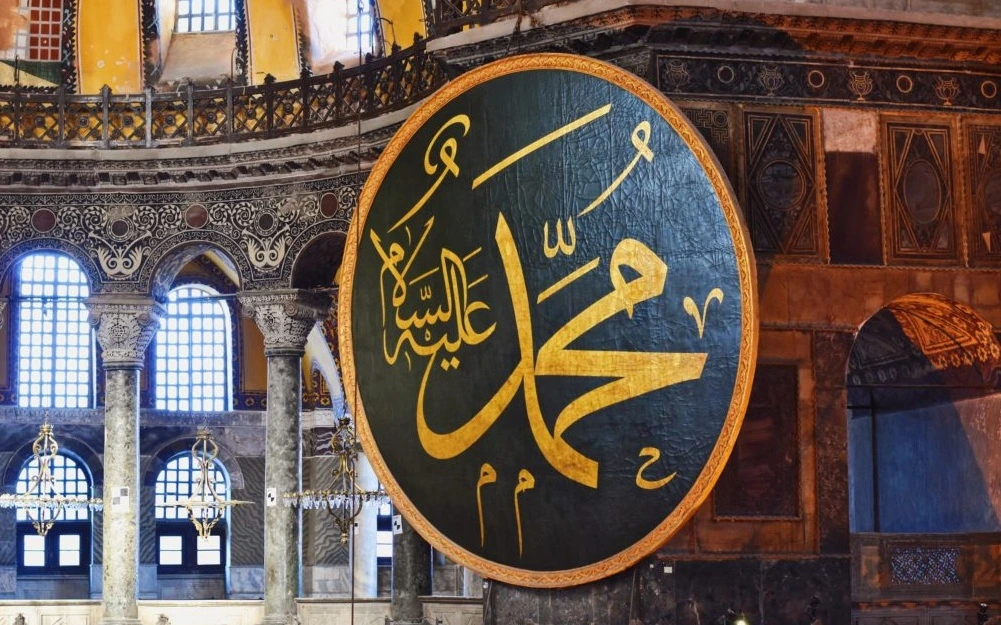
The Qur’an itself calls the Prophet Muhammad ﷺ by name in four places, and once by the name Aḥmad. These verses remind us of his humanity, his mission, and his finality as the Seal of the Prophets. Alongside this, authentic hadith record the Prophet ﷺ describing his own names, giving us a precious glimpse into how he understood his role.
A) Qur’an — Explicit Personal Names
These are the only two personal names directly stated in the Qur’an.
| Arabic | Transliteration | English Meaning | Note |
| مُحَمَّدٌ | Muḥammad | Oft-Praised / The Praised One | Mentioned 4 times (3:144; 33:40; 47:2; 48:29) |
| أَحْمَدٌ | Aḥmad | The Most Praiseworthy | Mentioned once (61:6) |
B) Qur’an — Explicit Titles & Descriptors for the Prophet ﷺ
These are roles/titles explicitly applied to him in specific āyāt.
| Arabic | Transliteration | English Meaning | Qur’anic note |
| رَسُولٌ | Rasūl | Messenger | 48:29 (and many more) |
| نَبِيٌّ | Nabiyy | Prophet | 7:157–158 |
| شَاهِدٌ / شَهِيدٌ | Shāhid / Shahīd | Witness | 33:45 uses “shāhidan” (witness) |
| بَشِيرٌ / مُبَشِّرٌ | Bashīr / Mubashshir | Bearer/Bringer of glad tidings | 33:45 |
| نَذِيرٌ / مُنذِرٌ | Nadhīr / Mundhir | Warner / Admonisher | 33:45 (and others) |
| دَاعٍ | Dāʿī | Caller (to Allah) | 33:46 (“dāʿiyan ilā-llāh”) |
| سِرَاجٌ … مُنِيرٌ | Sirāj … Munīr | Radiant Lamp | 33:46 (“sirājan munīrā”) |
| أُمِّيٌّ | Ummiyy | Unlettered (Prophet) | 7:157–158 (“an-nabiyy al-ummī”) |
| خَاتِمُ الْأَنْبِيَاءِ | Khātim al-Anbiyāʾ | Seal of the Prophets | 33:40 (“khātam an-nabiyyīn”) |
| رَؤُوفٌ | Raʾūf | Kind / Gentle (towards believers) | 9:128 |
| رَحِيمٌ | Raḥīm | Merciful (towards believers) | 9:128 |
C) Ṣaḥīḥ Ḥadīth — Names the Prophet ﷺ Listed for Himself
From Bukhārī & Muslim (same core narration).
| Arabic | Transliteration | English Meaning | Note |
| مَاحٍ | Māḥī | Effacer (of disbelief) | Ṣaḥīḥ (Bukhārī/Muslim) |
| حَاشِرٌ | Ḥāshir | Gatherer (people assemble at his feet) | Ṣaḥīḥ (Bukhārī/Muslim) |
| عَاقِبٌ | ʿĀqib | The Last (no prophet after him) | Ṣaḥīḥ (Bukhārī/Muslim) |
D) Other Ḥadīth / Classical & Devotional Sources
All remaining items from your list go here. Many are from classical compilations (e.g., al-Shifāʾ; devotional lists including 201-name collections). Some are honorifics/epithets, not “proper names” in the strict Qurʾān/Ṣaḥīḥ sense.
Titles in this section are widely used in sīrah/devotional literature. Where a term overlaps with Qur’anic language but is not explicitly given as his “name” in the verse, I’ve kept it here and, where helpful, noted the overlap.
| Arabic | Transliteration | English Meaning |
| حَامِدٌ | Ḥāmid | Praiser |
| مَحْمودٌ | Maḥmūd | Praised One |
| أَحِيدُ | Aḥīd | Repeller |
| وَحِيدٌ | Waḥīd | Unique |
| طَهَ | Ṭāhā | Taha (cipher letters; devotional attribution) |
| يَسٓ | Yāsīn | Yasin (cipher letters; devotional attribution) |
| طَاهِرٌ | Ṭāhir | Pure One |
| مُطَهَّرٌ | Muṭahhar | Purified |
| طَيِّبٌ | Ṭayyib | Fragrant |
| سَيِّدٌ | Sayyid | Liegelord / Master |
| رَسُولُ الرَّحْمَةِ | Rasūl ar-Raḥmah | Emissary of Mercy |
| قَيِّمٌ | Qayyim | Upright |
| جَامِعٌ | Jāmiʿ | Embodier of all Virtues |
| مُقْتَفٍ | Muqtafī | Successor to the Past Prophets |
| مُقَفِّى | Muqaffī | Surpasser / The Follower-Up |
| رَسُولُ الْمَلَاحِمِ | Rasūl al-Malāḥim | Emissary of Battles |
| رَسُولُ الرَّاحَةِ | Rasūl ar-Rāḥah | Emissary of Comfort |
| كَامِلٌ | Kāmil | Complete |
| إِكْلِيلٌ | Iklīl | Crown |
| مُدَّثِّرٌ | Muddaththir | Enwrapped in His Robe |
| مُزَّمِّلٌ | Muzzammil | Enwrapped in His Cloak |
| عَبْدُ اللهِ | ʿAbdullāh | Slave/Servant of Allah |
| حَبِيبُ اللهِ | Ḥabībullāh | Beloved of Allah |
| صَفِيُّ اللهِ | Ṣafiyyullāh | One Solely Chosen by Allah |
| نَجِّيُّ اللهِ | Najiyyullāh | One with Intimate Discourse with Allah |
| كَلِيمُ اللهِ | Kalīmullāh | One Addressed by Allah |
| خَاتِمُ الرُّسُلِ | Khātim ar-Rusul | Seal of the Emissaries (devotional phrasing) |
| مُحْيٍ | Muḥyī | Reviver |
| مُنْجٍ | Munjī | Deliverer |
| مُذَكِّرٌ | Mudhakkir | One Who Reminds |
| نَاصِرٌ | Nāṣir | Bringer of Victory |
| مَنْصُورٌ | Manṣūr | One Granted Victory |
| نَبِيُّ الرَّحْمَةِ | Nabiyy ar-Raḥmah | Prophet of Mercy |
| نَبِيُّ التَّوْبَةِ | Nabiyy at-Tawbah | Prophet of Repentance |
| حَرِيصٌ عَلَيْكُمْ | Harīṣun ʿAlaykum | Most Concerned for You |
| مَعْلُومٌ | Maʿlūm | Known One |
| شَهِيرٌ | Shahīr | Renowned |
| مَشْهُودٌ | Mashhūd | One Witnessed To |
| نُورٌ | Nūr | Light (devotional use; Qur’anic overlap by interpretation) |
| مِصْبَاحٌ | Miṣbāḥ | Lantern |
| هُدَىً | Hudā | Guidance |
| مَهْدِيٌ | Mahdiyy | Guided |
| مَدْعُوٌّ | Madʿuww | Called Upon |
| مُجِيبٌ | Mujīb | Answerer of the Call |
| مُجَابٌ | Mujāb | Answered |
| حَفِيٌّ | Ḥafiyy | Welcoming |
| عَفُوٌّ | ʿAfuww | Much-Pardoning |
| وَلِيٌّ | Waliyy | One Close to Allah |
| حَقٌ | Ḥaqq | Truth |
| قَوِيٌّ | Qawiyy | Mighty |
| أَمِينٌ | Amīn | Trustworthy |
| مَأْمُونٌ | Maʾmūn | Trusted |
| كَرِيمٌ | Karīm | Noble |
| مُكَرَّمٌ | Mukarram | Ennobled |
| مَكِينٌ | Makīn | Unshakeable |
| مَتِينٌ | Matīn | Firm |
| مُبِينٌ | Mubīn | Evident / Clarifier |
| مُؤَمِّلٌ | Muʾammil | Hopeful |
| وَصُولٌ | Waṣūl | Maintainer of Ties |
| ذُو قُوَّةٍ | Dhū Quwwah | Possessor of Might |
| ذُو حُرْمَةٍ | Dhū Ḥurmah | Possessor of Sanctity |
| ذُو مَكَانَةٍ | Dhū Makānah | Possessor of a Mighty Station |
| ذُو عِزٍّ | Dhū ʿIzz | Possessor of Glory |
| ذُو فَضْلٍ | Dhū Faḍl | Possessor of Virtue |
| مُطَاعٌ | Muṭāʿ | Obeyed |
| مُطِيعٌ | Muṭīʿ | Obedient |
| قَدَمُ صِدْقٍ | Qadamu Ṣidq | Sure Forerunner |
| رَحْمَةٌ | Raḥmah | Mercy |
| بُشْرَى | Bushrā | Glad Tidings |
| غُوثٌ | Ghawth | Aid |
| غَيْثٌ | Ghayth | Relief |
| غِيَاثٌ | Ghiyāth | Succour |
| نِعْمَةُ اللهِ | Niʿmatullāh | Allah’s Blessing |
| هَدِيَّةُ اللهِ | Hadiyyatullāh | Allah’s Gift |
| عُرْوَةٌ وُثْقَى | ʿUrwatun Wuthqā | Most Trusty Hold |
| صِرَاطُ اللهِ | Ṣirāṭullāh | Path to Allah |
| صِرَاطٌ مُسْتَقِيمٌ | Ṣirāṭun Mustaqīm | Straight Path |
| ذِكْرُ اللهِ | Dhikrullāh | Remembrance of Allah |
| سَيْفُ اللهِ | Sayfullāh | Sword of Allah |
| حِزْبُ اللهِ | Ḥizbullāh | Party of Allah |
| النَّجْمُ الثَّاقِبُ | an-Najmu th-Thāqib | Shining Star |
| مُصْطَفَى | Muṣṭafā | Chosen |
| مُجْتَبَى | Mujtabā | Selected |
| مُنْتَقَى | Muntaqā | Elect |
| مُخْتَارٌ | Mukhtār | Preferred One |
| أُمِّيٌ | Ummiyy | Unlettered |
| أَجِيرٌ | Ajīr | Protector |
| جَبَّارٌ | Jabbār | Rectifier |
| أَبُو الْقَاسِمِ | Abū l-Qāsim | Father of Qāsim |
| أَبُو الطَّاهِرِ | Abū Ṭ-Ṭāhir | Father of Ṭāhir |
| أَبُو الطَّيِّبِ | Abū Ṭ-Ṭayyib | Father of Ṭayyib |
| أَبُو إِبْرَاهِيمَ | Abū Ibrāhīm | Father of Ibrāhīm |
| مُشَفَّعٌ | Mushaffaʿ | One Permitted to Intercede |
| شَفِيعٌ | Shafīʿ | Intercessor |
| صَالِحٌ | Ṣāliḥ | Righteous |
| مُصْلِحٌ | Muṣliḥ | Rectifier |
| مُهَيْمِنٌ | Muhaymin | Guardian |
| صَادِقٌ | Ṣādiq | Truthful |
| مُصَدَّقٌ | Muṣaddaq | Confirmed |
| صِدْقٌ | Ṣidq | Truthfulness |
| سَيِّدُ الْمُرْسَلِينَ | Sayyid al-Mursalīn | Master of the Emissaries |
| إِمَامُ الْمُتَّقِينَ | Imām al-Muttaqīn | Leader of the God-fearing |
| قَائِدُ الْغُرِّ الْمُحَجَّلِينَ | Qāʾid al-Ghurri l-Muḥajjalīn | Leader of the Brightly Shining Ones |
| خَلِيلُ الرَّحْمٰنِ | Khalīl ar-Raḥmān | Intimate Friend of the All-Merciful |
| بَرٌّ | Barr | Dutiful |
| مَبَرٌّ | Mabarr | Fulfiller of Oaths |
| وَجِيهٌ | Wajīh | Eminent |
| نَصِيحٌ | Naṣīḥ | Sincere Well-Wisher |
| نَاصِحٌ | Nāṣiḥ | Sincere Advisor |
| وَكِيلٌ | Wakīl | Entrusted |
| مُتَوَكِّلٌ | Mutawakkil | Wholly Reliant on Allah |
| كَفِيلٌ | Kafīl | Guarantor |
| شَفِيقٌ | Shafīq | Tenderhearted |
| مُقِيمُ السُّنَّةِ | Muqīmus-Sunnah | Upholder of the Sunnah |
| مُقدَّسٌ | Muqaddas | Pure and Inviolate |
| رُوحُ الْقُدُسِ | Rūḥ al-Qudus | Pure Spirit |
| رُوحُ الْحَقِّ | Rūḥ al-Ḥaqq | Spirit of Truth |
| رُوحُ الْقِسْطِ | Rūḥ al-Qisṭ | Spirit of Justice |
| كَافٍ | Kāfī | Sufficer |
| مُكْتَفٍ | Muktafī | Contented |
| بَالِغٌ | Bāligh | Accomplished |
| مُبَلِّغٌ | Muballigh | Conveyor |
| شَافٍ | Shāfī | Healer |
| وَاصِلٌ | Wāṣil | Attainer |
| مَوْصُولٌ | Mawṣūl | Connected |
| سَابِقٌ | Sābiq | Forerunner |
| سَائِقٌ | Sāʾiq | Driver |
| هَادٍ | Hādī | Guide |
| مُهْدٍ | Muhdī | Guider |
| مُقَدَّمٌ | Muqaddam | Foremost |
| عَزِيزٌ | ʿAzīz | Mighty |
| فَاضِلٌ | Fāḍil | Outstanding |
| مُفَضَّلٌ | Mufaḍḍal | Favoured |
| فَاتِحٌ | Fātiḥ | Conqueror |
| مِفْتَاحٌ | Miftāḥ | Key |
| مِفْتَاحُ الرَّحْمَةِ | Miftāḥ ar-Raḥmah | Key to Mercy |
| مِفْتَاحُ الْجَنَّةِ | Miftāḥ al-Jannah | Key to the Garden |
| عَلَمُ الْإِيمَانِ | ʿAlam al-Īmān | Sign of Faith |
| عَلَمُ الْيَقِينِ | ʿAlam al-Yaqīn | Sign of Certainty |
| دَلِيلُ الْخَيْرَاتِ | Dalīl al-Khayrāt | Guide to Benefits |
| مُصَحِّحُ الْحَسَنَاتِ | Musaḥḥiḥ al-Ḥasanāt | Verifier of Good Deeds |
| مُقِيلُ الْعَثَرَاتِ | Muqīl al-ʿAtharāt | Pardoner of Errors |
| صَفُوحٌ عَنِ الزَّلَّاتِ | Ṣafūḥ ʿani z-Zallāt | Overlooker of Lapses |
| صَاحِبُ الشَّفَاعَةِ | Ṣāḥib ash-Shafāʿah | Possessor of Intercession |
| صَاحِبُ الْمَقَامِ | Ṣāḥib al-Maqām | Possessor of the Lofty Station |
| صَاحِبُ الْقَدَمِ | Ṣāḥib al-Qadam | Possessor of Precedence |
| مَخْصُوصٌ بِالْعِزِّ | Makhṣūṣ bil-ʿIzz | Singled out for Glory |
| مَخْصُوصٌ بِالْمَجْدِ | Makhṣūṣ bil-Majd | Distinguished by Splendour |
| مَخْصُوصٌ بِالشَّرَفِ | Makhṣūṣ bish-Sharaf | Distinguished by Nobility |
| صَاحِبُ الْوَسِيلَةِ | Ṣāḥib al-Wasīlah | Possessor of Privileged Access |
| صَاحِبُ السَّيْفِ | Ṣāḥib as-Sayf | Possessor of the Sword |
| صَاحِبُ الْفَضِيلَةِ | Ṣāḥib al-Faḍīlah | Possessor of Virtue |
| صَاحِبُ الْإِزَارِ | Ṣāḥib al-Izār | Wearer of the Sarong |
| صَاحِبُ الْحُجَّةِ | Ṣāḥib al-Ḥujjah | Possessor of Proof |
| صَاحِبُ السُّلْطَانِ | Ṣāḥib as-Sulṭān | Possessor of Authority |
| صَاحِبُ الرِّدَاءِ | Ṣāḥib ar-Ridāʾ | Wearer of the Mantle |
| صَاحِبُ الدَّرَجَةِ الرَّفِيعَةِ | Ṣāḥib ad-Darajah ar-Rafīʿah | Possessor of Exalted Rank |
| صَاحِبُ التَّاجِ | Ṣāḥib at-Tāj | Wearer of the Crown/Turban |
| صَاحِبُ الْمِغْفَرِ | Ṣāḥib al-Mighfar | Wearer of the Helmet |
| صَاحِبُ اللِّوَاءِ | Ṣāḥib al-Liwāʾ | Possessor of the Banner |
| صَاحِبُ الْمِعْرَاجِ | Ṣāḥib al-Miʿrāj | Possessor of the Ascension |
| صَاحِبُ الْقَضِيبِ | Ṣāḥib al-Qaḍīb | Possessor of the Staff |
| صَاحِبُ الْبُرَاقِ | Ṣāḥib al-Burāq | Rider of the Burāq |
| صَاحِبُ الْخَاتَمِ | Ṣāḥib al-Khātam | Possessor of the Seal |
| صَاحِبُ الْعَلَامَةِ | Ṣāḥib al-ʿAlāmah | Possessor of the Mark |
| صَاحِبُ الْبُرْهَانِ | Ṣāḥib al-Burhān | Possessor of Proof |
| صَاحِبُ الْبَيَانِ | Ṣāḥib al-Bayān | Possessor of Elucidation |
| فَصِيحُ اللِّسَانِ | Faṣīḥ al-Lisān | Eloquent of Tongue |
| مُطَهَّرُ الْجَنَانِ | Muṭahhar al-Janān | Purified of Soul |
| رَؤُوفٌ | Raʾūf | Gentle / Kindly |
| رَحِيمٌ | Raḥīm | Merciful |
| اُذُنُ خَيْرٍ | Udhunu Khayr | Hearer of Good |
| صَحِيحُ الْإِسْلَامِ | Ṣaḥīḥ al-Islām | Sound in Islam |
| سَيِّدُ الْكَوْنَيْنِ | Sayyid al-Kawnayn | Master of Both Worlds |
| عَيْنُ النَّعِيمِ | ʿAyn an-Naʿīm | Source of Bliss |
| عَيْنُ الْغُرِّ | ʿAyn al-Ghurr | Superior of the Enlightened Ones |
| سَعْدُ اللهِ | Saʿdullāh | Allah’s Felicity for Creation |
| سَعْدُ الْخَلْقِ | Saʿd al-Khalq | Felicity of Creation |
| خَطِيبُ الْأُمَمِ | Khaṭīb al-Umam | Speaker Addressing All Nations |
| عَلَمُ الْهُدَى | ʿAlam al-Hudā | Banner of Guidance |
| كَاشِفُ الْكُرَبِ | Kāshif al-Kurab | Dispeller of Fears |
| رَافِعُ الرُّتَبِ | Rāfiʿ ar-Rutab | Raiser of Ranks |
| عِزُّ الْعَرَبِ | ʿIzz al-ʿArab | Glory of the Arabs |
| صَاحِبُ الْفَرَجِ | Ṣāḥib al-Faraj | Bringer of Relief |
| كَرِيمُ الْمَخْرَجِ | Karīm al-Makhraj | Most Noble in Lineage |
Hadith Reference
Narration — Bukhārī 3532, Muslim 2354:
The Prophet ﷺ said:
“I have several names: I am Muhammad, I am Ahmad. I am al-Māḥī, through whom Allah erases disbelief. I am al-Hāshir, before whom mankind will be gathered. And I am al-ʿĀqib, the one after whom there is no prophet.”
Significance of These Names in Islamic Tradition
The names of the Prophet Muhammad ﷺ are not just words — they are reflections of his mission, his character, and his relationship with the Ummah. Each name carries meaning, pointing to a role he fulfilled or a quality that Allah ﷻ honored him with.
Classical Scholarly Explanations
- Ibn Qayyim al-Jawziyya (d. 751H), in Zād al-Maʿād, explained that the Prophet’s ﷺ names describe both his functions — like Messenger, Warner, and Bringer of glad tidings — and his qualities, such as mercy and trustworthiness. Every name captures a truth about his prophethood.
- Imam al-Qurṭubī (d. 671H), in his Tafsīr, noted that having many names is itself a sign of the great honor Allah ﷻ granted him. Just as Allah is known through His Beautiful Names (Asmāʾ al-Ḥusnā), the Prophet ﷺ is remembered by noble titles that highlight his mission and virtues.
- Qāḍī ʿIyāḍ (d. 544H), in al-Shifāʾ, gathered many of the Prophet’s ﷺ names and explained how each one reveals a facet of his character — whether as Raḥmatan lil-ʿĀlamīn (Mercy to the Worlds), al-Amīn (The Trustworthy), or al-Māḥī (The one who erases disbelief).
Link to His Unique Qualities & Attributes
- Mercy and Compassion — Names like Raḥmatan lil-ʿĀlamīn and ar-Raʾūf remind us that he was sent as a mercy to all creation.
- Trustworthiness and Integrity — The title al-Amīn shows the trust people placed in him, even before revelation.
- Finality of Prophethood — al-ʿĀqib and Khātam al-Nabiyyīn affirm that he is the last Prophet, with no one to come after him.
- Guidance and Light — Sirāj-an Munīr describes him as a shining lamp of guidance, leading people out of darkness and into light.
How Muslims Use These Names in Devotion?
The names of the Prophet Muhammad ﷺ are not just preserved in books — they are kept alive in the daily devotion of Muslims. From durood sharif recited in prayer to qasidahs sung with love, his names continue to inspire reverence and affection in every generation.
- In duroods (salawat) such as Durood Ibrahīmī, the names Muhammad and Ahmad are recited every day, affirming his honored place in worship.
- In qasidahs and devotional poetry, especially the timeless Qasīdat al-Burda by Imam al-Būṣīrī, poets praise him with many of his names and qualities, expressing deep love (maḥabbah) and yearning (shawq).
- In dhikr gatherings and personal supplications, Muslims mention his names when sending salawat, in calligraphy adorning mosques, and even in quiet moments of prayer seeking nearness to him.
Spiritual Benefits of Remembering His Names
Scholars and spiritual teachers remind us that remembering the Prophet’s ﷺ names softens the heart and draws blessings. It brings barakah (blessings), sakīnah (peace of the heart), and strengthens the believer’s bond of love with the Messenger. Just as remembering Allah’s Beautiful Names (Asmāʾ al-Ḥusnā) nourishes faith, recalling the Prophet’s ﷺ names helps us embody his mercy, honesty, humility, and guidance in our own lives.
Related Read: Complete Asma-ul-Husna (99 Names of Allah)
FAQs on the Names of Prophet Muhammad ﷺ

Mohammed Basheer Orsala is the founder of Sukoonly.com - an Islamic resource dedicated to verified Quranic duas and Sunnah-based supplications. A self-taught Islamic researcher, he has studied classical texts and authenticated hadith collections including the works of Imam al-Nawawi, Shaykh al-Albani, Ibn Hajar al-Asqalani, and Ibn al-Qayyim. He writes to make verified Prophetic supplications accessible to English-speaking Muslims worldwide.